Connecting biotechnology, digital expertise and regional innovation
Innovate UK’s Launchpad for Eastern England Success Story: Tropic Bioscience
Developing new crop varieties that can respond to challenges such as disease, drought and changing growing conditions requires both advanced science and strong collaboration.
Tropic Bioscience is addressing that challenge through gene editing, using precision changes in plant DNA to develop new traits in tropical crops.
Founded at Norwich Research Park, Tropic Bioscience has grown from a team of three to more than 160 people. Its work focuses on developing new crop varieties with characteristics such as improved nutrition, quality, flavour, disease resistance and drought resilience.
Dr Philip Zegerman, Associate Director of Technology and Research at Tropic Bioscience, explains how Innovate UK’s Launchpad for Eastern England helped the business tackle difficult research and development challenges, strengthen its technical capability and build new partnerships across the region.
Tackling a complex crop challenge
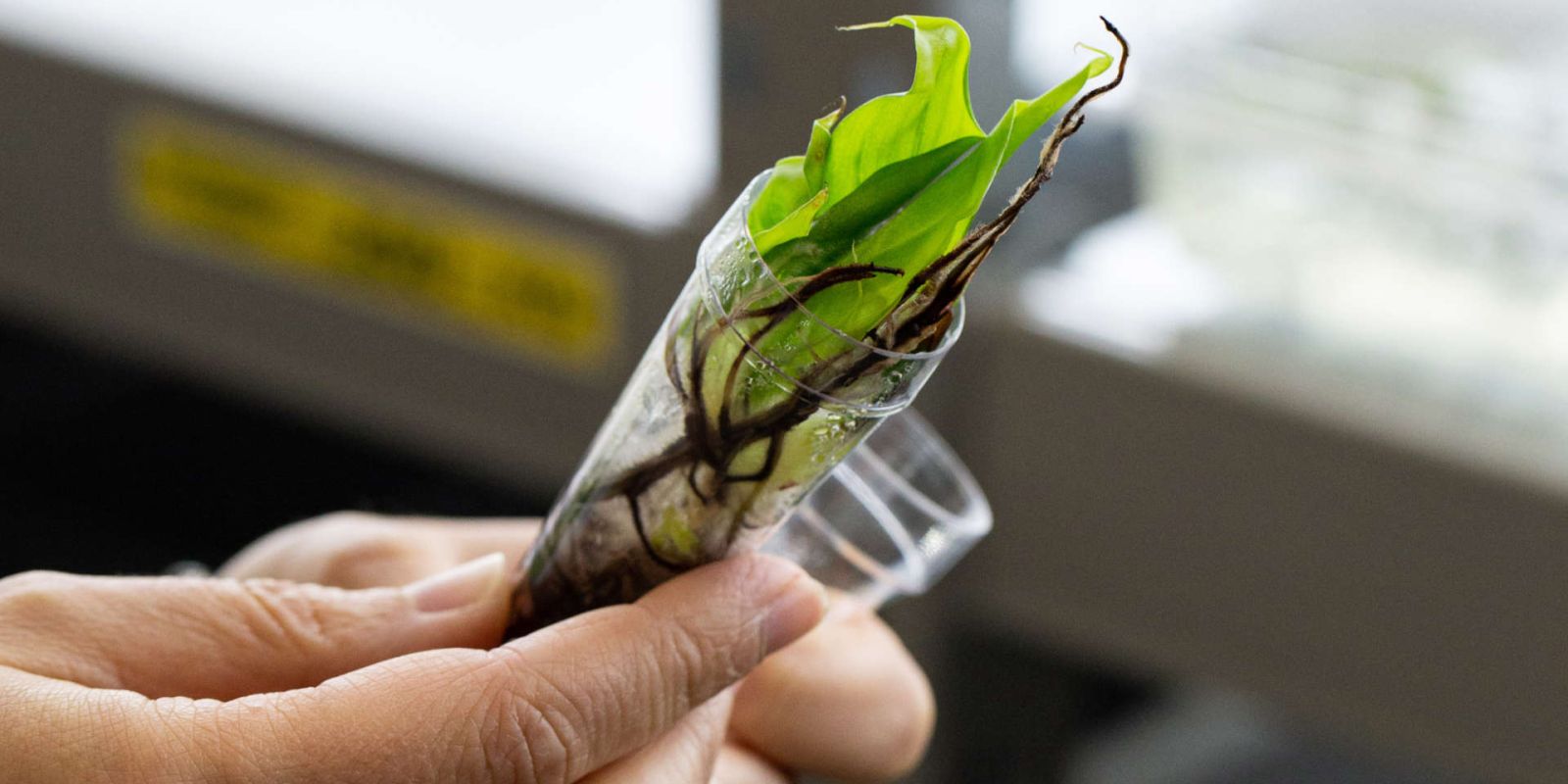
One of Tropic Bioscience’s major areas of work is banana breeding. Because commercial bananas do not produce seeds, developing new varieties is particularly difficult. Tropic needed to improve the process of changing banana cells and helping them regenerate into mature plants.
Through its first Launchpad grant, the company was able to improve the efficiency of this process and develop new ways of delivering molecules into banana cells, helping them generate new plants more quickly and effectively.
Building partnerships across the region
The Launchpad programme also helped Tropic strengthen its network of research and technology partners.
Its first project involved working with Plant Bioscience Limited, while a second Launchpad grant brought together Tropic Bioscience, the John Innes Centre and AI Digital in Lincolnshire.
AI Digital developed a software tool to support the identification of crop traits, creating a strong example of biotechnology and digital expertise working together across Eastern England.
For Tropic, the value of those relationships extends beyond the immediate project. Dr Philip Zegerman explains:
“It’s really about accessing talent, building networks, building communities, which will last well beyond the time for the grant.”
Creating new commercial opportunities
The project also produced an unexpected outcome. As Tropic shared and showcased the research it was developing through the second grant, the business began to receive interest from elsewhere in the agri-tech community. That has led the team to start developing a potential service package for external clients.
This means the Launchpad has supported not only research and technical development, but also the creation of new commercial possibilities.
A platform for longer-term growth
For Tropic Bioscience, the Launchpad programme has helped bring together scientific research, digital capability and regional expertise. It has enabled the company to progress complex research, develop new tools, strengthen partnerships and access talent and businesses beyond the Norwich area, including in Lincolnshire.