A WATER REVOLUTION
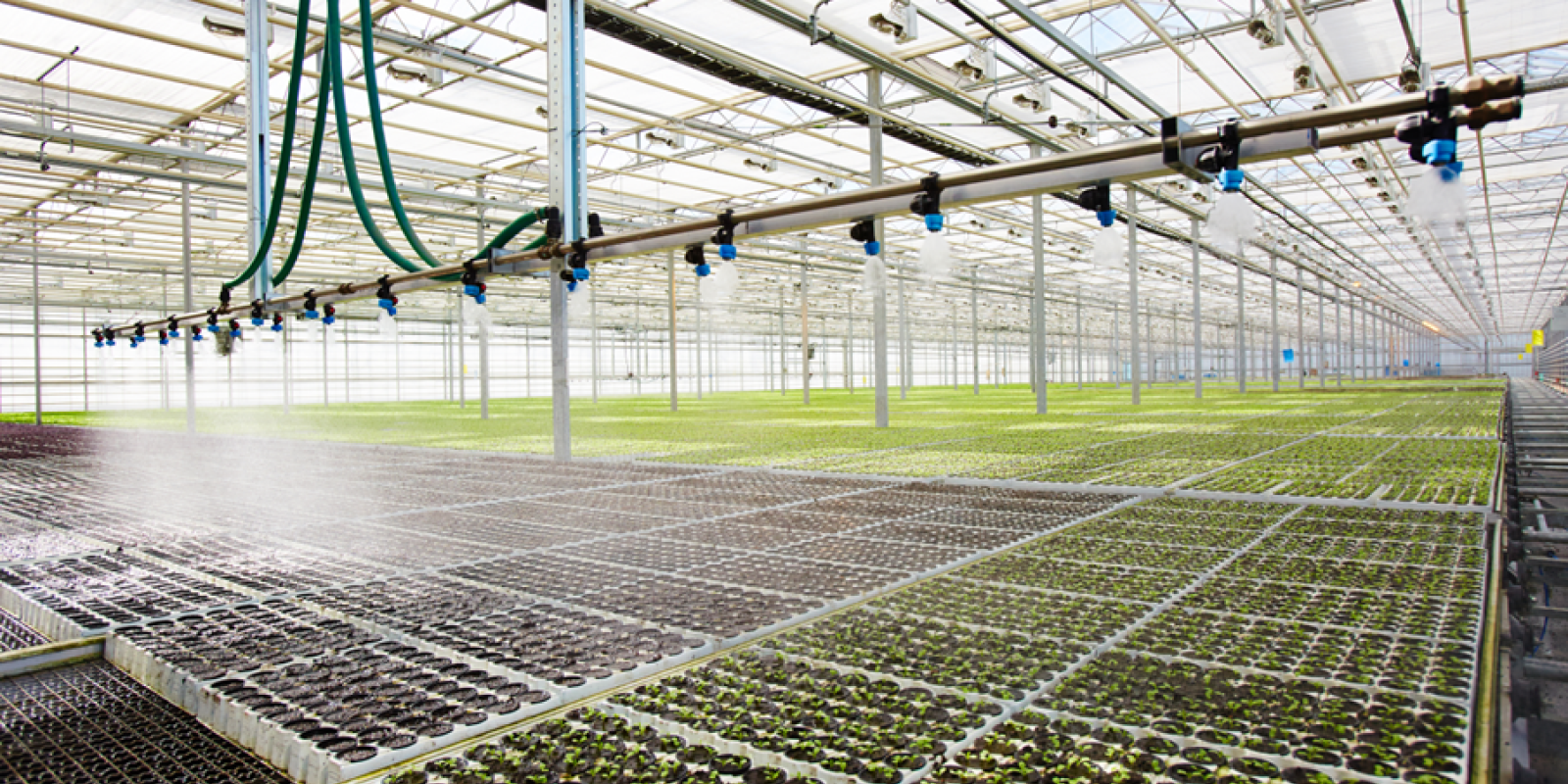
Water security is essential to food supplies at every stage of the chain, from growing crops on farms or for fish farms, to food processing where water is used to wash produce or added as an ingredient, to food preparation in the home or food service.
Globally we are seeing more extreme weather, with the US reporting this month that it has a developing serious drought which would be the most extensive seen in at least the last 25 years. In the last 5 years alone, the UK saw major droughts in 2022 and again in 2025. But in 2023 and 2024, and again in winter 2026, we have also seen major floods.
Earlier this month, the Greater Lincolnshire Forum for Agriculture and Horticulture worked with partners to host an event on how to accelerate the construction of on farm reservoirs, based on the need to capture and store more water at times of plenty to meet the need for secure water supplies during future droughts.
Research shows the UK is very good at turning water into high value crops, such as salads which require 73% less irrigation in Eastern England than equivalents in Spain, which means onshoring production helps deliver global water efficiency, and supports economic growth in our region. The products which need irrigation: salads, veg, fruit and potatoes, are also naturally healthy foods which we need to prioritise to further address health issues across the community.
Secure water supplies protect crop yield potential and critically, also secure crop quality to meet supply chain specifications. Water security also means businesses have the confidence to invest in growing capacity, and with the right support for farm reservoirs, means we could grow our economy and secure more resilient supplies of healthy food.
Despite clear benefits for the economy, environment and food security, the rate of reservoir construction is not keeping pace with farm needs. Farmers face a complex and uncertain landscape of abstraction licensing, planning permission, environmental assessments and regulation. Abstraction reform is proceeding at a pace which means there is not enough capacity to design, approve and build the reservoirs needed to secure alternative water supplies.
Reservoir construction costs are high and rising, grant schemes are stop-start, and current tax treatment discourages long-term infrastructure investment in expensive assets. Skills shortages in hydrology, reservoir engineering and construction further constrain delivery, and reservoir development competes with other major projects for construction staff.
Greater Lincolnshire plans to work at pace with partners across industry, government and the supply chain to ensure that we can address this challenge, build more on farm reservoirs, and secure our future production of the high value crops the UK needs.