CAN LINCOLNSHIRE ‘CROP WATER’ AND STILL FEED THE NATION?
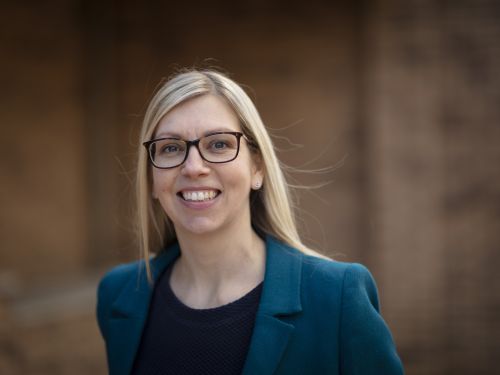
We asked two experts working at the cutting edge of Lincolnshire’s water and land use future; Tammy Smalley, Head of Conservation at Lincolnshire Wildlife Trust, and Isobel Wright, Wilder Doddington project Director at Doddington Hall, how the county can manage floods, drought, and food production together. Their answer: treat water as a crop, hold it in the landscape, and design for multiple wins; soil, nature, food and people. Lincolnshire’s water story is national in scale. As Tammy states, “We are the county of water for this nation.
EXCLUSIVE INTERVIEW
If we can’t get water management right in Lincolnshire, then we can’t get water management right for the country.” Her perspective is rooted in a lifetime shaped by coast, rivers and land. Skegness childhoods at Gibraltar Point, bird surveys, and decades working across public, private and charity sectors. “Nature and food production is part of my very DNA,” she says.
Isobel arrives at the same conclusion from the farmed landscape. After nearly four decades advising growers and teaching BASIS courses, she now leads Wilder Doddington and co-coordinates a Landscape Recovery partnership of 30 land managers in the Upper Witham. Her brief is practical: help farmers stay profitable, build resilient soils, store more water and slow the flow so flood peaks are reduced.
What’s changing on the ground?
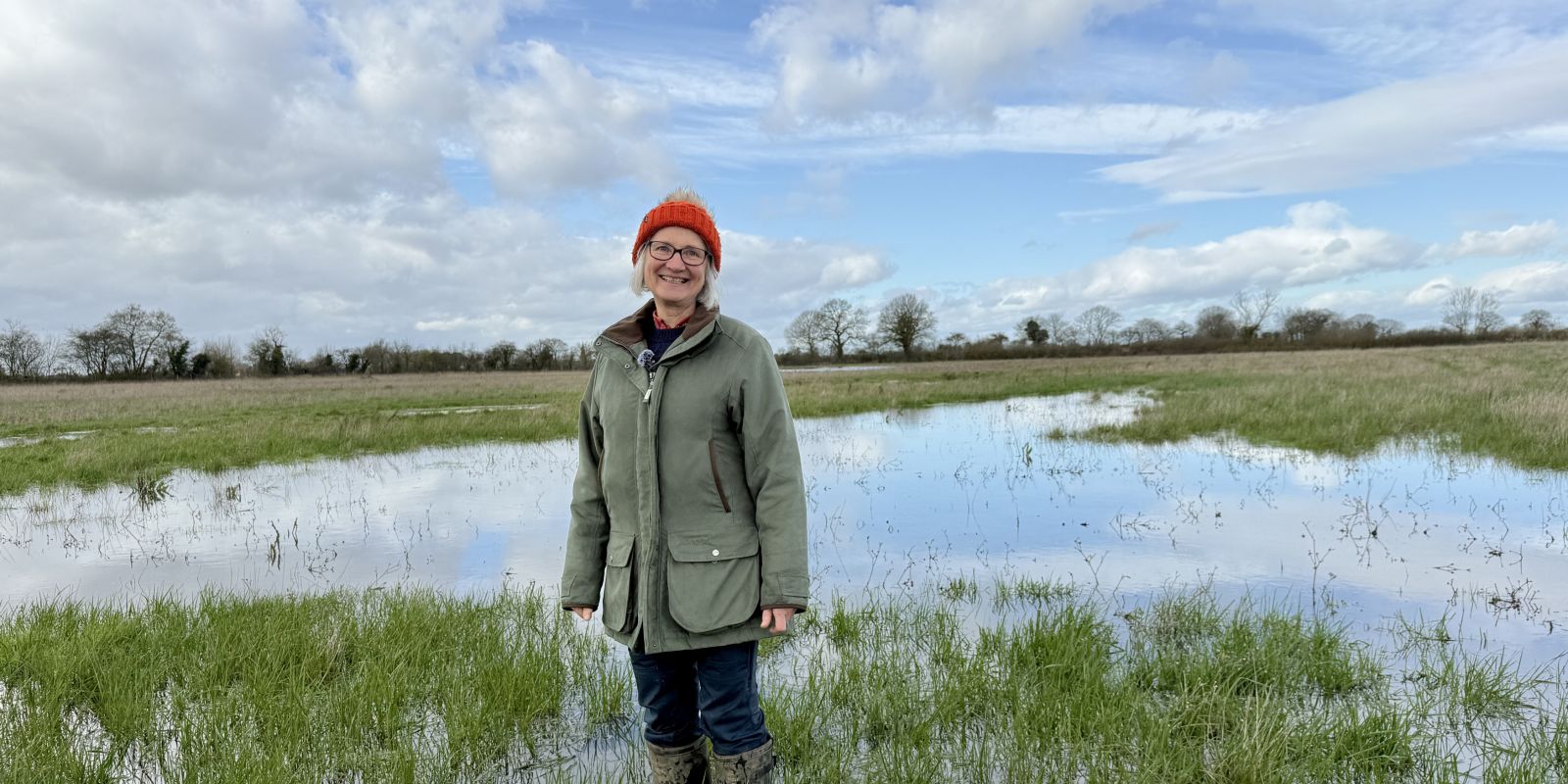
At Wilder Doddington, the answer is visible in earth and water. They are letting nature take centre stage and have stopped intensive cultivations on the 770ha estate, reduced stocking rates, and prioritised nature outcomes. The flagship ‘Wetter Better’ programme has added over 30 new ponds, blocked selected ditches, and brought water back onto its original floodplain. “This gives us more grazing in the dry years, an element of wild fire resilience,” says Isobel, “and our new wild House activities include being a ‘centre of excellence’ in rural water management. We are aiming for a new balance of blended space for people, food, nature and water.”
Isobel believes that most land managers are keen to identify resilient and sustainable future food production systems, to identify land that is harder to farm as climates change, and part of that may involve creating corridors or wider natural areas joining one asset to another – and that can include rethinking water systems.
At Wilder Doddington many of the new ponds are deliberately created with rough and rugged 3D edges and variable underwater profiles, engineered to host micro‑habitats and extend seasonal wetness. Water now fills ponds, moves through leaky features, and arrives later in the Witham - reducing downstream flood risk for both productive farmland as well as houses and business premises. Isobel explains: “Often Itis the peak flow that causes flood events. If our water can arrive after the peak, we might even be able to prevent a flood and we have to work collaboratively at scale to achieve this.”
Water as a commodity
Tammy is more direct: “Water isn’t just something that exists. It is a commodity, and we have to crop it - for food, for nature, and for public and commercial supply.”
The Bourne North Fen ‘Water for All’ project shows what this can look like. On 53 hectares, the Trust and partners are re‑wetting degraded peat, gravity‑feeding spate flows through reedbeds that clean water, then return cleaner water for irrigation, whilst also grazing and harvesting biomass.
Initial modelling suggests the system could cleanse around 1 million cubic metres of water annually, with absolutely no pumping required. “I do think people need to make a mind change”, considers Tammy. “We either crop for food, we crop for nature, or we crop for water supply. Everyone needs to be far more intelligent about how we manage water within a landscape to deliver multiple benefits and an income stream”. Done intelligently, all three can exist in harmony.
Why peat—and why now?
Peat is a carbon and water cornerstone. “It’s critical that we get peat wet and keep it wet,” says Tammy. Much of Lincolnshire’s peat is degraded or even submerged beneath silty clays yet is still oxidising because of deep drainage.
Holding more water in drains and ditches to raise the water table could also protect critical infrastructure as well as soils, bringing real impact and efficiencies to highways and planning by naturally preventing degradation and subsidence.
What are the system barriers?
Both interviewees emphasise culture and process. Isobel notes the historic tendency to shed water quickly, but how internal drainage boards (IDBs) increasingly recognise their role as water level managers. Drainage at all costs is a past concept – integrated water management is the way forward.
Tammy argues for a fast‑track, multi‑agency system for innovative pilots. “If we can do if for Freeports, why not create a Free‑water model for landscape integration?” she asks.
Food vs nature?
Holistic approaches emphasise combining natural processes and technology to manage water across whole catchments.
Although areas of grazing or arable land may need to be repurposed for water management, food output can still be maintained or increased if this water enables high value crops to be sustained on other land in drier years. Smart greenhouse systems now routinely use rainwater harvesting so that most or all of the greenhouse water requirements are met without taking water from the environment or public water supply.
This makes them ideal complements to water‑management landscapes. Greenhouses enable year‑round crop production with much higher yields. These systems are ideal for high‑value veg, salad, fruit and ornamental crops. In parallel, Lincolnshire’s high-quality land, if supported with thoughtful drainage and sustainable irrigation water supplies, can focus on field scale crops which help feed the nation including: potatoes; vegetables; and other speciality crops.
Water security created by floodplain restoration to capture and store water during floods can reduce crop loss and variability, help deliver improved margin stability and justify investment.
When coupled with digital innovations and reduced input use, this will help the UK create enhanced food chain resilience.
“Stop thinking in silos,” says Tammy. “We can have it all if we think holistically.” That means prioritising the best land for food, while switching poor‑performing parcels to water services, biodiversity and wet‑compatible crops.
Isobel agrees, this is just what The Lincoln and Wiltham Landscape Recovery group plans; to create connected corridors, improve soil water‑holding, deliver sustainable cropping. She adds that it would be great to reform irrigation licensing so growers can for example, top up reservoirs during summer floods.
Reallocating some arable land to water‑management functions is not a loss -it can be a strategic rebalancing creating a more climate‑resilient, productive, and sustainable agricultural system. By pairing these changes with high‑tech greenhouse or field scale production, supported by precision farming and nature‑based solutions, farms can maintain or increase overall crop output, shift toward higher‑value crops, and significantly reduce risk exposure.
What now?
Both agree that recognising water has a value is critical. People need to stop seeing things in silos as energy production, food production, or having a water or nature focus, and integrate elements together. “If we were really smart and started implementing circular thinking, we would be able to store water in the Lincolnshire landscape without putting people at risk” states Tammy. “Whilst we’d have to take some of the croplands out of arable crops and put it into cropping for water and wet crops, using poorer performing fields for more intelligent water cropping and biodiversity planning, we can create sustainable income and water flow.”
Tammy and Isobel were interviewed by Kate Storey for the UK Food Valley, managed and funded by Lincolnshire County Council.