FROM SOIL TO SOURCE: HOW SMARTER LAND MANAGEMENT CAN SECURE LINCOLNSHIRE’S WATER FUTURE
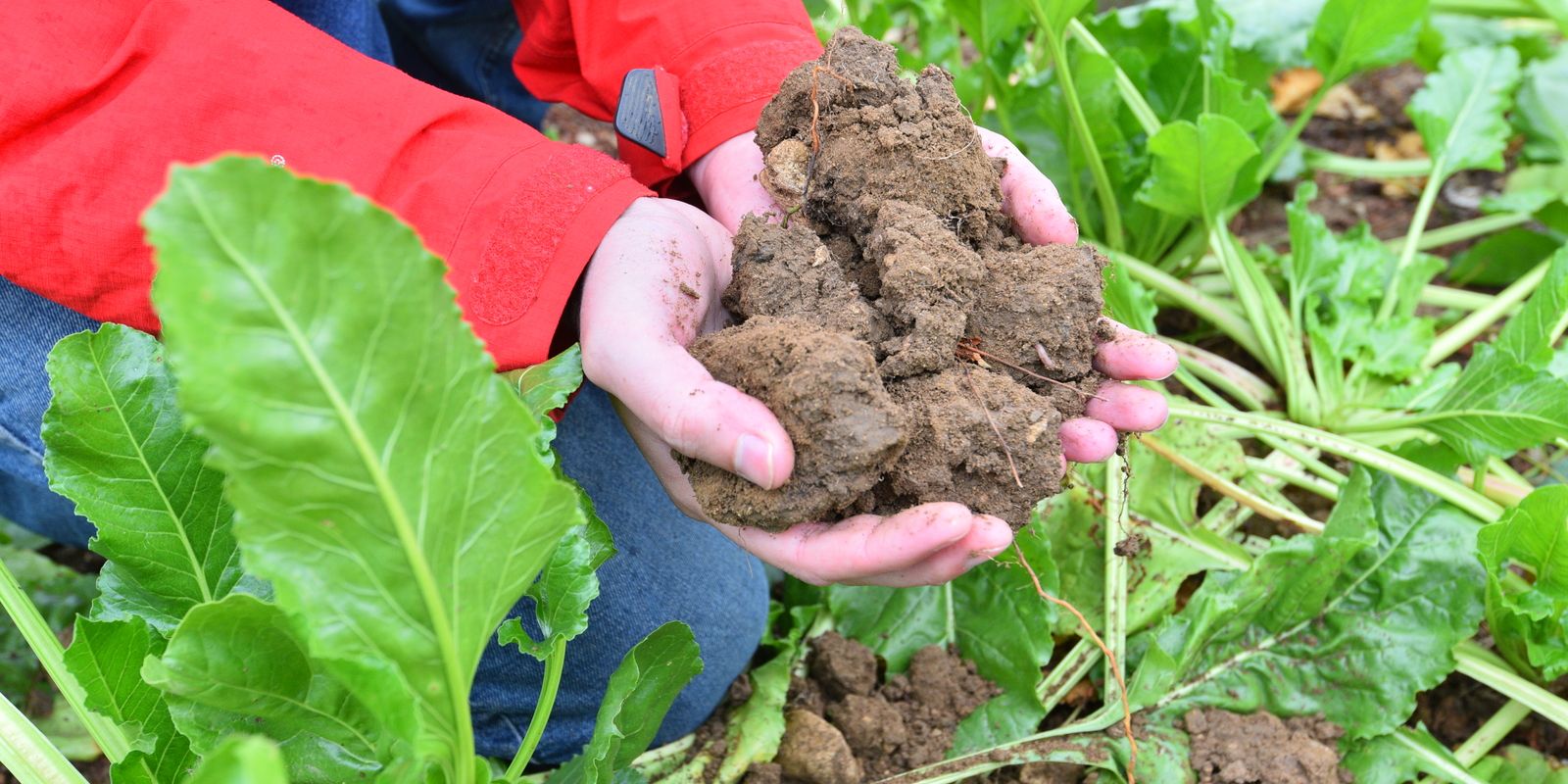
Understanding how soil works may not seem like the obvious starting point for tackling Lincolnshire’s growing water challenges, but for Dr Iain Gould, soil scientist at the University of Lincoln, the ground beneath our feet holds some of the most powerful solutions. In a conversation with the UKFV team, Iain explored the pressures facing soil, food production and water, the innovations on the horizon, and the policies needed to safeguard the county’s future.
EXCLUSIVE INTERVIEW
An interview with Dr Iain Gould, University of Lincoln
An agricultural landscape like Lincolnshire relies on healthy, well-functioning soils. As Iain explains, soils are being asked to do far more than simply grow crops. They must also support biodiversity, store carbon, filter chemicals and regulate water movement. The resilience of our agricultural sector relies increasingly on the ability of soil to manage both too much and too little water. A well‑structured soil acts like a natural sponge and filter, absorbing heavy rainfall where possible, slowing runoff, reducing flooding, and protecting rivers from nutrient and chemical loss. But with increasingly extreme weather, these natural processes are under strain. As we shift between very dry summers and exceptionally wet winters, water management has become more complex than ever.
For Iain, protecting soil structure is more important than ever.
That means avoiding compaction, especially when soils are wet — a challenge during wetter autumns and late harvests, and increasing organic matter, which boosts biological activity, improves structure, and enhances the soil’s ability to hold and release water. This includes careful residue management, manures, grazing and cover cropping; andbuilding resilience across rotations, especially ahead of root crops, which are typically lifted in winter and can cause soil disturbance.
Despite reports that farmers are reducing root crop production due to soil damage, Iain stresses that the issue is more nuanced. Root crops often involve intensive soil movement and a late harvesting window which makes them vulnerable to wet conditions. Nevertheless, these are important UK crops - Sugar beet remains a valuable break crop with strong carbon capturing potential, whilst potatoes are seen as a high yielding, nutrient-dense staple. With better rotation planning and improved soil structure, the downsides of root cropping could be minimised. Ongoing research with partners such as British Beet Research Organisation and Branston are exploring new ways to make root crop production more sustainable.
While soil management is crucial, Iain is clear that it can only take us so far. Lincolnshire needs a more joined‑up approach to water across farms, landscapes and sectors. A key opportunity lies in the combination of improved field drainage, to increase operational windows and reduce damage during wet periods and investment in water storage, such as reservoirs or aquifer recharge, to capture winter excess for summer use. Such an approach would support crop production, reduce flood risk, enable more consistent cover cropping, and build resilience against increasingly unpredictable weather. Iain identifies this as one of the most impactful policy interventions the government could make.
Lincolnshire already plays a national role in vegetable and arable production, producing 12% of England’s food. Due to global pressures on water, maintaining domestic production, especially of water‑efficient crops like potatoes and veg, will be increasingly important. As Iain notes, if the UK grows less at home, we will likely rely on imports with even higher water footprints from drought‑prone regions.
A significant part of Iain’s work involves delivering BASIS training, including soils, sustainability and fertiliser management. The flexible, modular approach means practitioners can build qualifications while working, eventually progressing to a BASIS Diploma. Training takes place at the University’s Lincoln Institute of AgriTech at Riseholme, involving a combination of University of Lincoln delivery and partner organisations. This pipeline of applied training is helping equip the sector with the practical soil and water management skills needed for the future.
Iain concluded that whilst water pressures will intensify, particularly for irrigation and groundwater, with smarter soil management, better water infrastructure, and coordinated policy, Lincolnshire is well placed to lead the way in this specialism. Small changes at field level, combined with big‑picture thinking across the landscape, can shape a more resilient future for food, farming and the environment.
Iain was interviewed by Jess Foster for the UK Food Valley, managed and funded by Lincolnshire County Council.