HYDROPONICS IN FOCUS: A MASTERCLASS ON WATER, SUSTAINABILITY, INNOVATION & NUTRITION
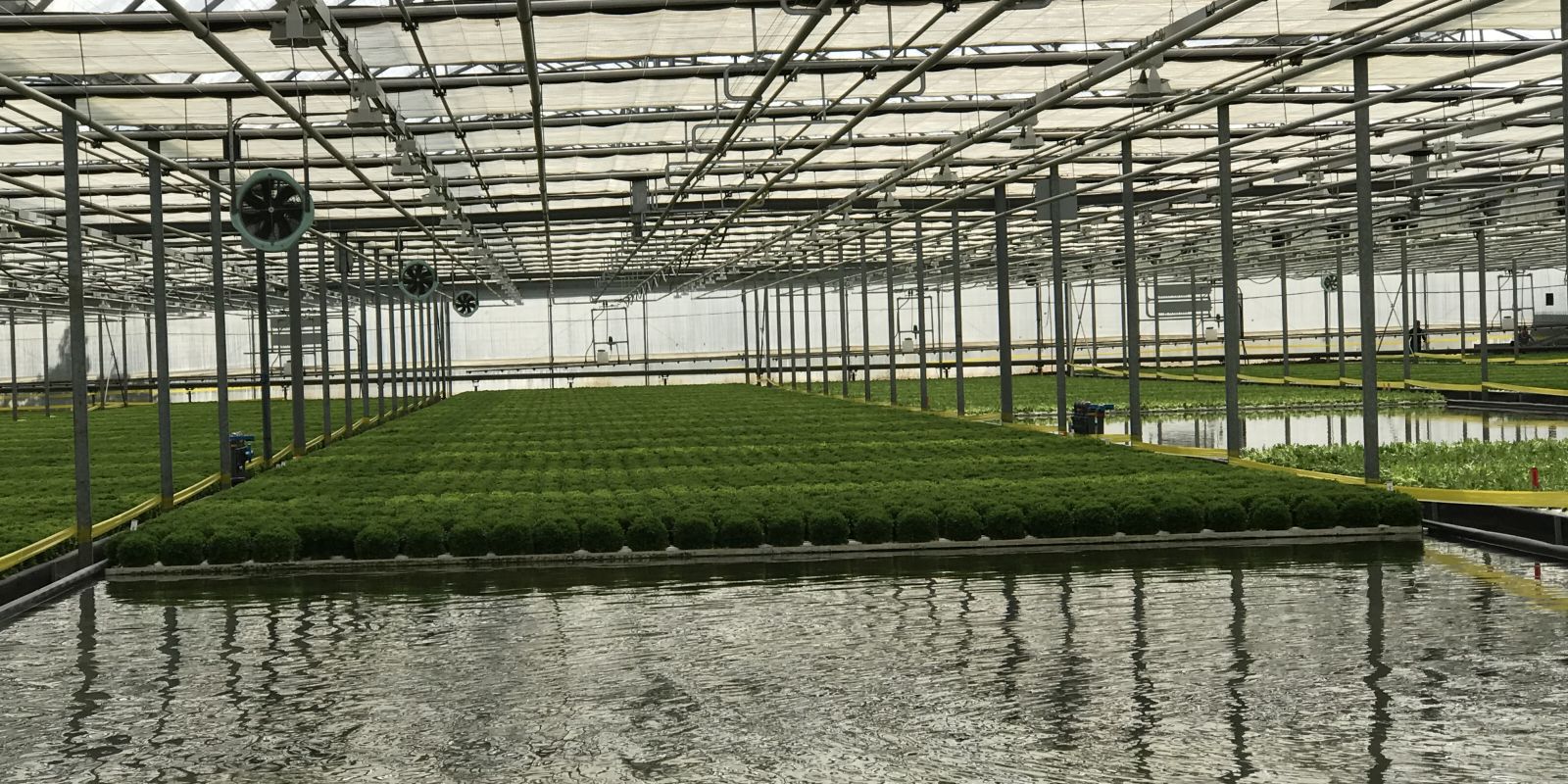
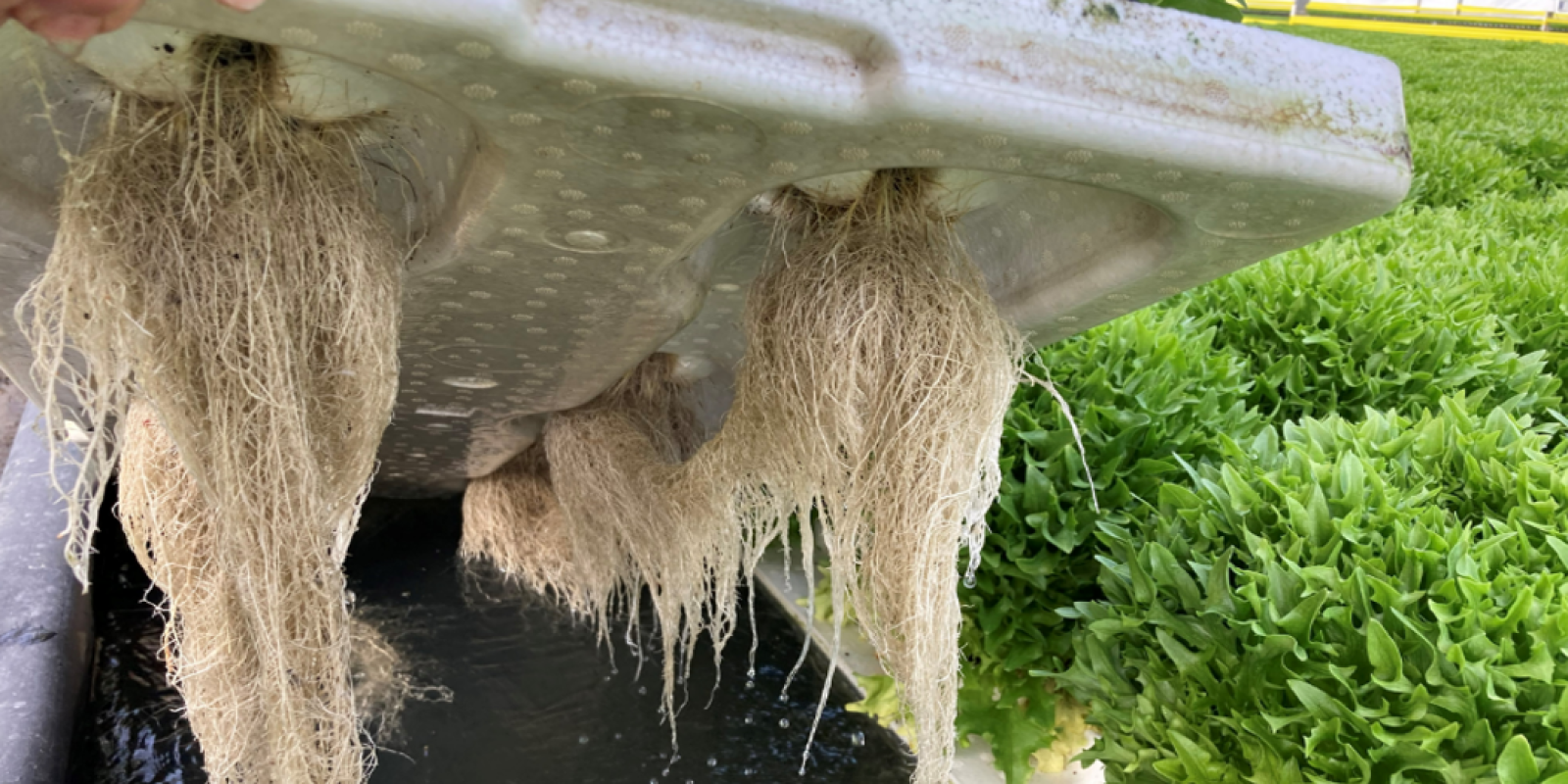
Hydroponics sits at the intersection of water efficiency, sustainability, profitability, and nutrition. By enabling high yields with fewer resources and delivering consistent, high-quality produce year-round, it offers a compelling model for the future of agriculture.
Through strong partnerships with major UK retailers, JEPCO has built a reputation for delivering a reliable, year-round supply of excellent salad crops. This reflects both the strength of the Lincolnshire agricultural sector and the region’s ability to adapt to new technologies, supporting local employment and agri-tech skills development.
The UK Food Valley spoke with JEPCO’s CEO Stuart Piccaver to explore the company’s journey and how it has responded to environmental and market pressures through investment in advanced technologies. As demand for secure and sustainable food systems grows, companies like JEPCO at the cutting edge of hydroponics are set to play an increasingly important role in UK agriculture.
UKFV: What is hydroponics and why is it gaining attention?
SP: Hydroponics is a method of growing plants without soil, using nutrient-rich water solutions. Plants receive what they need directly through their roots, allowing precise control over growing conditions. This enables year-round production, higher yields, and reduced reliance on pesticides and unpredictable weather.
In regions like the UK, hydroponics supports more controlled and resilient food systems, better equipped to handle climate variability and supply chain pressures.
UKFV: Why did JEPCO make this step change away from traditional farming?
SP: Recognising the limitations of weather-dependent farming, we moved to controlled growing environments- initially at the request of a retailer. This improved reliability, yield predictability, and resource efficiency.
Focusing on leafy greens, where hydroponics offers the clearest advantages, we invested in greenhouse infrastructure, advanced irrigation and nutrient systems, and environmental controls such as temperature, humidity, and light.
UKFV: How do hydroponics use water differently from traditional farming?
SP: Water efficiency is hydroponics’ greatest strength. Unlike traditional farming, where water is lost through evaporation and runoff, hydroponic systems recycle water continuously, using significantly less overall.
This is achieved through a closed-loop system where nutrient-enriched water circulates through plant roots, then is collected, filtered, rebalanced, and reused. Sensors monitor nutrient levels, pH, and temperature to maintain optimal conditions. This reduces waste, lowers costs, and prevents nutrient runoff into ecosystems.
Water is topped up from on-site springs and reservoirs. Because plants continuously release water into the atmosphere, fresh water must be added regularly - UV-treated but retaining its nutrient balance.
UKFV: How critical is crop consistency in this method?
SP: Crop consistency is a defining feature. We achieve this through controlled environments, standardised nutrient recipes, automated irrigation, and real-time monitoring of plant health.
By minimising external variables and tightly managing inputs, we deliver uniform size, taste, and quality—critical for meeting retailer specifications and consumer expectations.
UKFV: Is hydroponics more sustainable overall?
SP: Yes! Though it depends on system design and energy use. Benefits include reduced land use, less soil degradation, lower pesticide use, and minimal nutrient runoff.
Sustainability is embedded in our operations through water recirculation, reduced chemical inputs, and efficient land use. However, controlled environments require significant energy for heating, lighting, and ventilation.
We address this by investing in renewable energy, improving greenhouse design, reducing waste, and engaging in the transition to new fuel systems. Balancing resource efficiency with energy management is key to delivering both productivity and environmental benefit.
UKFV: What about profitability - can hydroponics make commercial sense?
SP: Hydroponics is commercially viable, particularly for high-value crops like salad leaves, herbs, and tomatoes. Faster crop cycles enable multiple harvests per year, while consistent quality attracts premium pricing.
It also reduces losses from weather and pests and can lower transport costs when located near markets. However, success depends on managing high upfront investment, energy efficiency, and strong retailer relationships. When these are in place, hydroponics can be both viable and competitive.
UKFV: Is hydroponically grown food as nutritious as soil-grown crops?
SP: Absolutely. Hydroponic produce can be just as nutritious - or more so - because nutrient delivery is precisely controlled. Plants receive exactly what they need at each growth stage, and produce is often harvested closer to consumption, reducing nutrient loss.
Studies show hydroponic crops can match or exceed traditional produce in vitamin and mineral content, with the added benefit of consistent nutritional quality.
UKFV: What role does government policy play in hydroponics expansion in the UK?
SP: Policy is increasingly important. Key factors include water management, sustainability targets, energy pricing, carbon reduction goals, and agricultural funding.
Government focus on food security and sustainable farming is encouraging investment, while regional partnerships support infrastructure, innovation, and collaboration. However, more support is needed to scale the sector. The emerging horticultural strategy offers reason for optimism.
UKFV: What does the future look like for fresh produce in the UK Food Valley?
SP: The future is bright. Younger and more affluent consumers are increasingly focused on healthy eating, while an ageing population is shifting toward lighter, less calorific diets.
At the same time, reduced physical labour is lowering calorie requirements, reinforcing demand for fresh produce. Trends over the past 10–15 years, such as the growth in berries and earlier rises in salad crops, show increasing demand for diversity, which is set to continue.
Stuart was interviewed by Kate Storey at the UKFV, managed and funded by Lincolnshire County Council.