NEW CIRCULAR FARM TURNS CROPS INTO CLEAN FUEL AND FOOD IN A UK FIRST
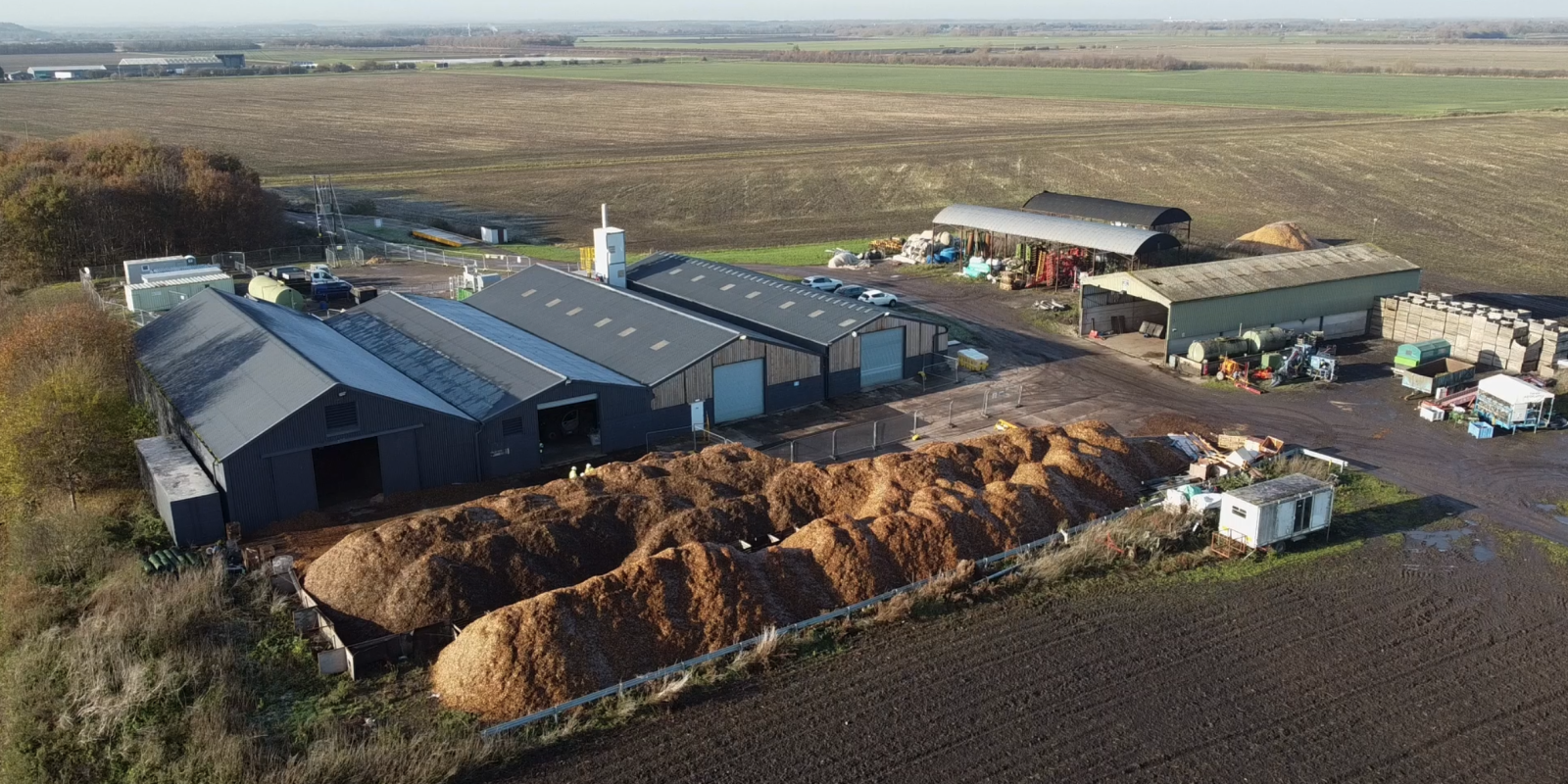
A new £2.4m farming project aiming to turn crops into both food and low-carbon fuel has launched in Lincolnshire, in what researchers say could offer a blueprint for the future of English agriculture.
The three-year initiative, known as RePeat, brings together the University of Lincoln, organic producer Pollybell Farm and national supplier of Liquefied Petroleum Gas (LPG) Flogas to test a ‘circular farm’ model that integrates food production, renewable fuel generation and environmental land management within a single system.
Delivered through DEFRA’s Farming Innovation Programme in partnership with Innovate UK, the project will establish a large-scale demonstrator across Pollybell’s 5,000-acre estate spanning Lincolnshire, Nottinghamshire and South Yorkshire.
The model aims to address a central challenge facing UK agriculture: how to maintain food production while reducing emissions and adapting to climate pressures and volatile markets.
At its core is the use of farm-grown biomass to produce renewable dimethyl ether (rDME), a low-carbon alternative to LPG that could be used in existing heating systems. Around 1.5 to 2 million UK homes remain off the gas grid, with few affordable options currently available to decarbonise heat.
Researchers say the system will also capture and reuse heat and carbon dioxide generated during fuel production to support controlled environment agriculture, enabling year-round food production while reducing waste.
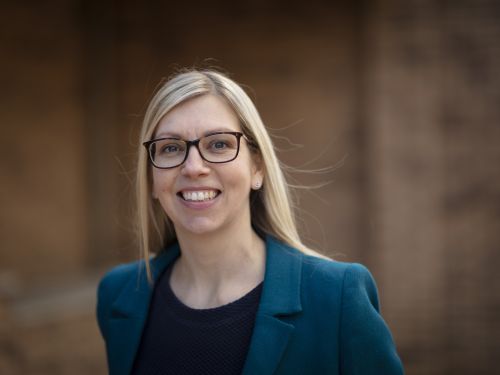
Dr Amir Badiee, principal investigator at the University of Lincoln, said the project was designed to move beyond theory and demonstrate what integrated, low-carbon farming could look like in practice: “RePeat is about bringing together technologies that already exist and proving they can work as a connected system on a commercial farm. The challenge now is not just innovation, but integration and generating the evidence needed to scale.”
Pollybell Farm, which has previously led more than £9 million in research on peatland management, biomass and controlled environment agriculture, will host the demonstrator.
James Brown, project lead at Pollybell, said the approach could help farms diversify income while strengthening resilience: “The opportunity here is to rethink how land is used, producing food, generating energy and improving environmental outcomes in a single system. That has the potential to change the economics of farming.”
Flogas, which supplies LPG to off-grid homes and businesses, is exploring how fuels produced through the system could support the transition away from fossil fuels in rural areas.
The partners say the project will also examine how such models could support rural job creation and long-term farm viability, particularly as policy shifts towards environmental land management and low-carbon production.
Findings from RePeat will be shared with government and industry to inform future policy and investment decisions around sustainable farming and energy systems.
If successful, the model could offer a scalable approach to reducing agricultural emissions while maintaining productivity a balance widely seen as critical to meeting the UK’s sustainability and food security goals.