Seen it on Clarkson’s Farm? Meet the Lincolnshire organisations developing similar technology
News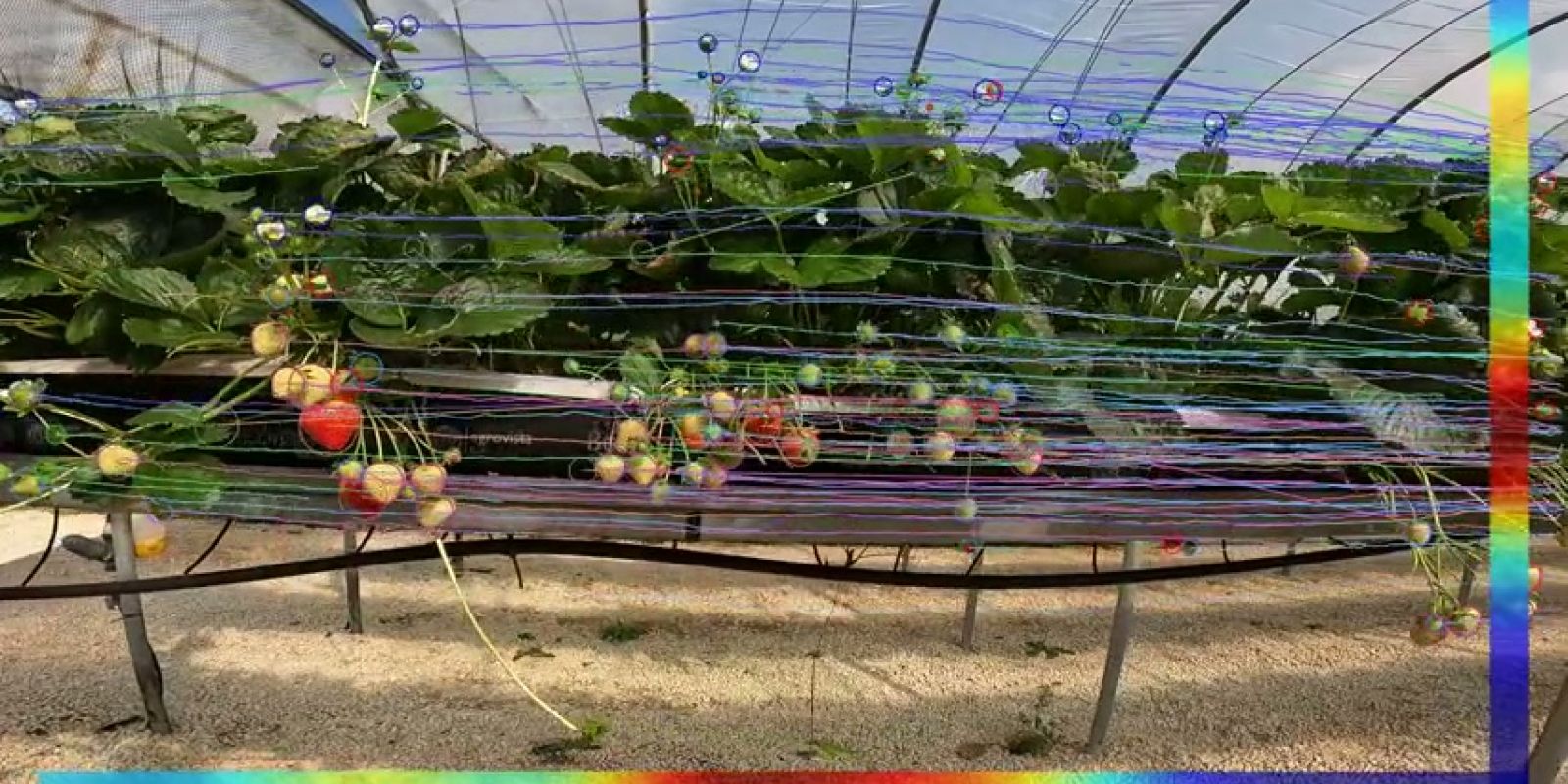
For many viewers, Clarkson's Farm has offered a fascinating glimpse into the future of farming. Autonomous tractors, crop-monitoring technology and field robots may look like something from a science fiction film, but they're increasingly becoming part of modern agriculture.
What many people don't realise is that some of the research, innovation and commercial development behind these types of technologies is already happening here in Lincolnshire.
As home to UK Food Valley, the county is helping shape the next generation of food production through a growing ecosystem of researchers, businesses and industry partners working across robotics, artificial intelligence, precision agriculture and food supply chain innovation.
One of the clearest themes running throughout the latest series has been the rise of autonomous farming systems capable of carrying out labour-intensive tasks with greater precision and efficiency. While viewers watched robots and automated machinery being introduced on screen, researchers at Lincoln Institute for Agri-food Technology (LIAT) have been exploring these technologies for years. Based at the University of Lincoln, the research institute programme has gained international recognition for its work in robotics, autonomous systems and AI for food production, helping establish Lincolnshire as a centre for agritech innovation and supporting the development of several successful spin-out businesses.
The increasing use of technology is not just changing how tasks are carried out in the field; it is also changing how decisions are made. Modern farming relies on more than experience and instinct alone, with data playing an increasingly important role in helping growers plan effectively and respond to changing conditions. Fruitcast is one example of this shift in action. Developed from expertise within Lincolnshire's agritech community, the platform provides yield forecasts with an accuracy of 83-90%, helping berry growers improve planning and make more informed decisions throughout the growing season.
Of course, autonomous machinery is only as effective as the technology that sits behind it. While robots and driverless vehicles may capture the public's imagination, sophisticated software is what enables these systems to operate safely and efficiently. JABAS is helping support that development through navigation software, deployment tools and cloud-based fleet management systems designed specifically for agricultural robotics manufacturers.
The move towards smarter farming is also changing how resources are used. Many of the technologies featured on Clarkson's Farm focus on helping farmers produce more while using fewer inputs, reflecting growing pressure to improve both productivity and sustainability. Organisations such as B-Hive are working with farmers and industry partners to develop innovative solutions that help optimise marketable yield, reduce waste, and enhance produce quality, adding significant value to the supply chain.
Behind many of these innovations sits a strong culture of research and commercialisation. Ceres Agri-Tech, a collaboration between the Universities of Cambridge and Lincoln, was established to help transform promising ideas into real-world solutions, working with researchers, businesses and industry partners to bring agricultural innovations to market. Since its formation, the programme has supported 34 projects, helped identify 12 licensing opportunities, contributed to the development of one spin-out company and six further spin-out prospects, and supported the creation of six prototypes, nine software solutions and one semiochemical innovation. Alongside commercialisation activity, Ceres has also helped strengthen collaboration across the sector through farmer and grower events, mentoring and training programmes, engagement with higher education institutions, and support for academics and knowledge exchange professionals working in agritech innovation.
The impact of these technologies is perhaps most visible when they move beyond research and into everyday farming operations. Dyson Farming continues to invest heavily in robotics, AI-enabled crop management and applied agricultural research, demonstrating how innovation can operate at scale in real-world environments. Likewise, Ben Burgess is helping farmers access precision agriculture technologies and autonomous machinery designed to improve efficiency, productivity and sustainability across a range of farming systems.
What connects all of these organisations is not simply their use of technology, but the wider ecosystem that supports innovation in Lincolnshire. Through UK Food Valley's Ag-Zone initiative, organisations including the Lincoln Institute for Agri-food Technology, Riseholme College, Lincolnshire County Council, the Lincolnshire Agricultural Society and Barclays Eagle Labs are helping create the conditions for new ideas to be developed, tested and adopted.
The focus spans robotics, AI, precision farming and food supply chain innovation, creating a cluster of expertise that reflects many of the same trends now being showcased on national television.
Clarkson's Farm may have introduced millions of people to the future of farming, but for many organisations across Lincolnshire, that future is already taking shape. Through collaboration, research and innovation, they are helping develop the technologies that will shape the next generation of food production.