WATER ON THE EDGE: HUMBER, FENS & THAMES
Water keeps a low profile – until it’s gone or floods our properties and businesses. Right now, in Lincolnshire and across England, it’s doing both.
EXCLUSIVE INTERVIEW
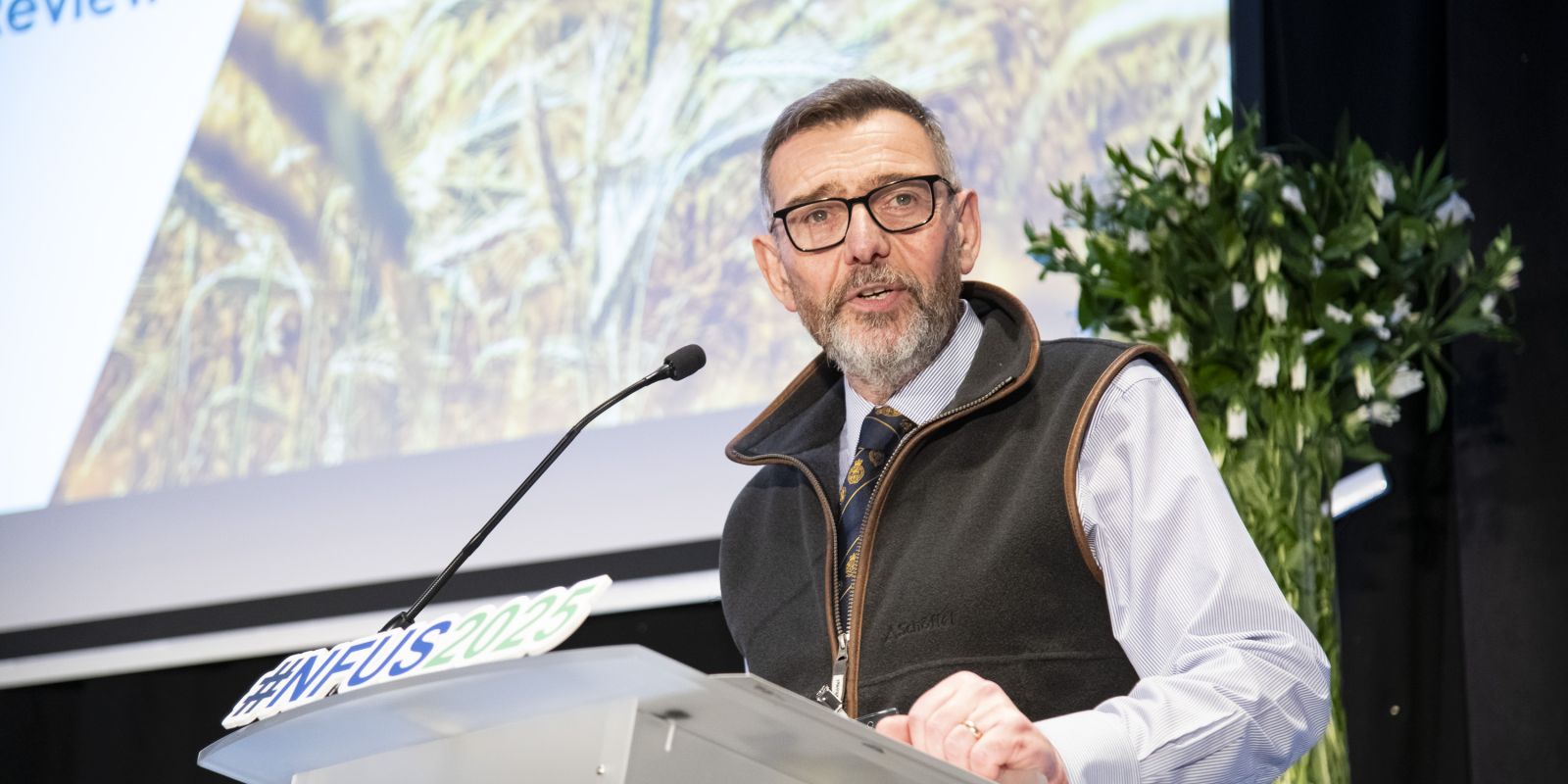
Mark Suthern, Environment Agency Board Member.
Growth, industrial demand, changing conditions and environmental fragility are colliding, and pressure on water has never been greater.
That’s where the Environment Agency is critical – not just as the regulator, but as a convener, collaborator and long‑term ecosystem planner.
Our role, and why it matters now
The Environment Agency is England’s environmental regulator. We defend and renew the places that sustain us. The government sets the rules, and we ensure compliance.
That means protecting, supporting and improving the environment while enabling sustainable growth. It means balancing the needs of people, rivers, coasts, farmland, homes, wildlife and business.
Right now, water is under intense pressure. Lincolnshire, like many other regions, experiences storm overflows, wastewater, and run‑off from roads and agriculture. As one of England’s driest regions it faces both risks of drought, and floods driven by our changing climate.
In response, we’ve stepped up our regulatory role. In the past year we’ve carried out 10,000 inspections and recruited 500 additional staff across England. Our data, powers and enforcement are stronger than ever.
Protecting nature while supporting growth
At the Environment Agency, we sit at the junction of the environment, planning and development. We work alongside DEFRA, local authorities and industry to ensure growth is safe, flood‑resilient and water‑secure.
Early engagement and close collaboration with these partners is vital. It means we can design growth that works for people, business and nature. This is what we do daily across housing, infrastructure, and water supply planning.
Lincolnshire’s national importance for water
When it comes to water, Lincolnshire isn’t just another county. It’s critical national infrastructure:
- 1/3rd of Greater Lincolnshire lies at or below sea level
- 45% of the county is at risk of coastal or river flooding
- 12% of England’s water flows through Lincolnshire
- 12% of the nation’s food is produced here
- some of England’s most productive Grade 1 agricultural land depends entirely on managed water systems
These factors, along and vulnerable coastline and ageing drainage infrastructure make Lincolnshire one of England’s most complex water landscapes.
That’s why the region has one of only three major 2100 national water strategies - HUMBER, FENS & THAMES - shaping Lincolnshire’s water future.
Several significant water projects are shaping Lincolnshire’s future resilience - Humber 2100 & Fens 2100
These partnerships bring together local authorities, farmers, landowners, Iinternal drainage boards and environmental groups to create a safe, productive, livable and resilient landscape. Their aim is integrated ways to manage security, flooding, drought, food production, carbon and biodiversity.
A new Lincolnshire reservoir
On its own, this proposed reservoir could supply 166 million litres of water a day. This will support long‑term resilience for homes, businesses and agriculture alike.
Coastal protection and beach renourishment
From Skegness to Mablethorpe, we pump sand back on to beaches to protect communities, tourism and habitats.
Boston Barrier
This £200 million investment is protecting homes, businesses, jobs and infrastructure from tidal flooding – a clear example of water management underpinning economic security.
Lincolnshire and water innovation
Lincolnshire could become a national test‑bed for innovation in water management. By linking water security, carbon storage, biodiversity and food production, several approaches could benefit people, business and the environment.
These include:
- Restoring lowland peat - reduce carbon emissions and water runoff
- Protecting chalk streams – globally important and irreplaceable freshwater assets
- Using land in smart ways – storing water when there’s too much, and retaining it appropriately when there’s too little
What can households, farmers and businesses do?
Water is a precious resource – it’s not a nuisance and it’s not infinite.
Water regulation matters, but water behaviour matters more.
Positive actions include smarter water use at home, efficient irrigation and precision farming, investing in water storage and technology, and treating water as a strategic asset.
Nationally, the water industry is planning:
- 9 new reservoirs
- Smart meters
- Infrastructure upgrades
Why this matters beyond Lincolnshire
Water connects everything. Managing it well isn’t optional – it’s foundational.
Lincolnshire’s challenges are England’s challenges, just more concentrated. That means flood risk, drought risk, food security and climate resilience.
If solutions can work in Lincolnshire’s complex water environment, they can work anywhere. That’s why our work across Lincolnshire isn’t just locally important – it’s nationally significant.
Mark Suthern is an accomplished chair, non-executive director, trustee, and advisor with a portfolio of roles including government, academia and the third sector. He is a highly experienced managing director. His track record includes leading Barclays’ Agricultural team to become the largest agricultural bank in the UK.
Mark Suthern talked with Kate Storey from the UK Food Valley, managed and funded by Lincolnshire County Council.