CLUSTER 2: Fresh Produce Mid/South Lincs
South Lincolnshire is the centre of the UK fresh produce sector, both in production and for the trade in fruit, vegetables, salads and ornamental crops.
Horticultural and potato crops use 6% of the farm area in Greater Lincolnshire. However, due to the more intensive nature of production this produces 32% of the area’s agricultural output. Greater Lincolnshire produced 26% of the UK’s vegetables and salads, 19% of the ornamental crop, 9% of potatoes and a growing fruit sector, worth in total c.£1bn in 2023.
Major fresh produce businesses include Lincolnshire Field Products (LFP), AH Worth, Burgess Farms, TH Clements, JEPCO, Branston Potatoes, Greenyard, Princes, Greencore, Jack Buck, Fresca Group, Naylor Flowers, Naylor Nutrition and Flamingo Flowers.
As well as these major local business the cluster also includes a UK leading cluster of companies which specialise in importing, and added value processing or ripening including Worldwide Fruit, Karsten UK, Melon and Co. Ripe Now, Davis Worldwide, Greencell and Westfalia.
Fountains plants and Staples, the UKs largest brassica grower, have benefitted from major investment in 2024 and 2025 respectively from US based Solum Partners.
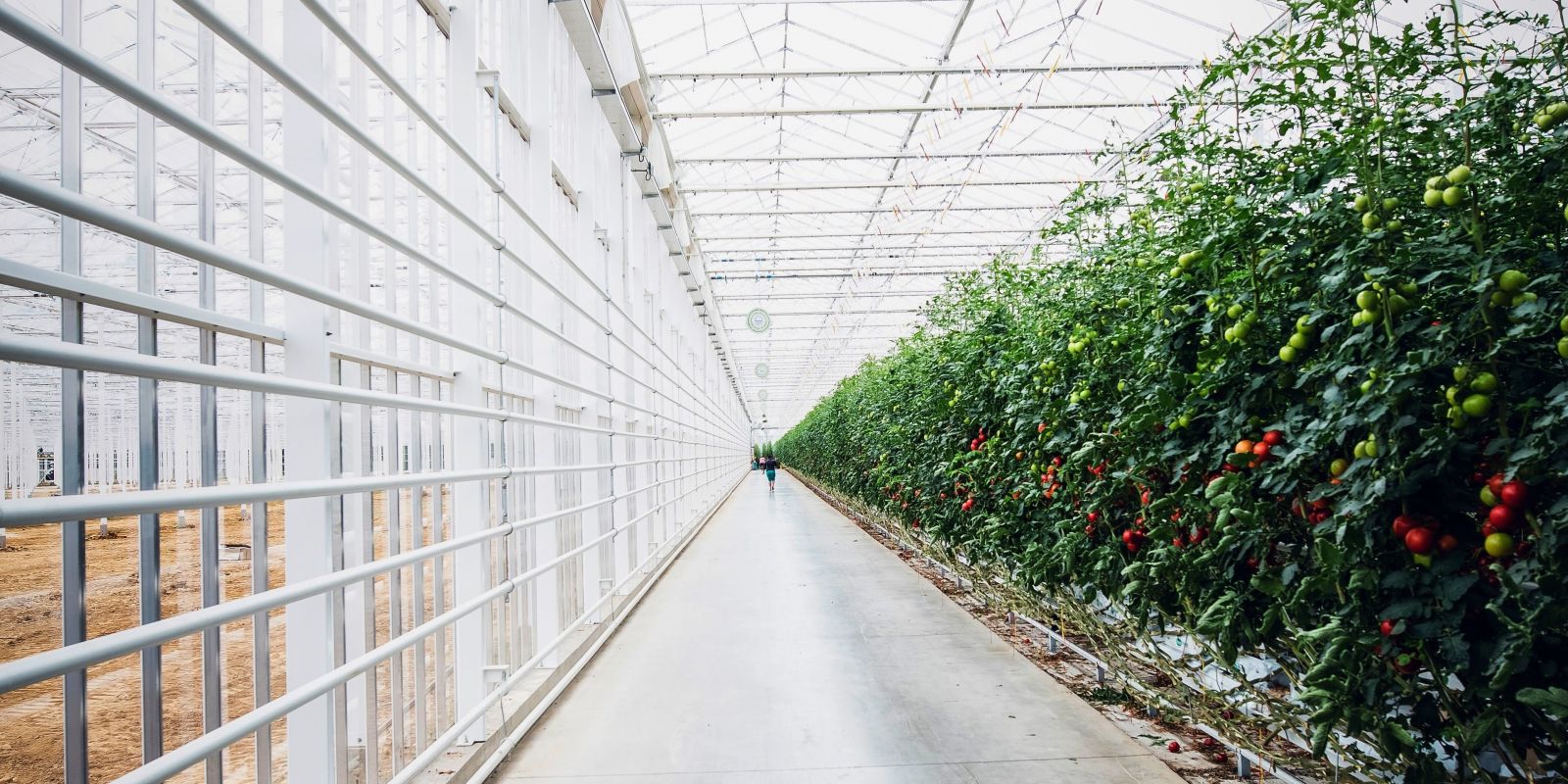
The UK Food Valley is seeing a growth in investment in glasshouses and controlled environment agriculture. With 85 hectares of glasshouses in 2016, the area is seeing major new investments including: Bridge Farm in Spalding; Dyson Farming in Boston; JEPCO and other smaller units, with the area of greenhouses expected to double by 2030.
The fresh produce industry is supported by a cluster of technology suppliers including Elsoms, the largest independent seed company in the UK, and international companies such as Sakata and Syngenta who both have sites locally to trial new varieties. Grimme UK, a leading potato equipment supplier to farms, Garford Engineering who pioneered robotic weeding and Tong who supply specialist post harvest equipment, all have bases in Lincolnshire.
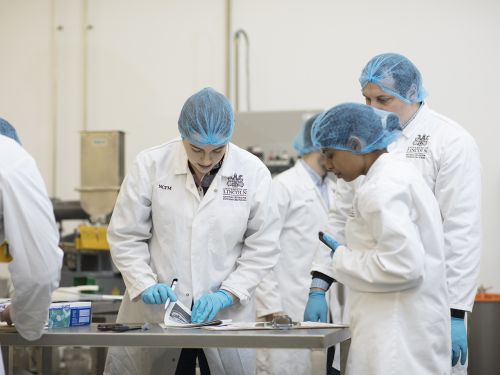
The fresh produce sector also benefits from two centres at the University of Lincoln: the National Centre for Food Manufacturing (NCFM) in Holbeach; and the Lincoln Institute for AgriFood Technology (LIAT) at Riseholme, just north of Lincoln. The Riseholme campus features the world’s first robotic fruit farm, and the UKs first geothermal greenhouse, with a specialism on addressing the two major costs for intensive crops: labour efficiency through automation; energy efficiency. Riseholme is the UK’s leading centre for farm digitalisation and automation, with a UK leading role in the application of AI to agrifood businesses.