SUPPLY CHAIN CLUSTER: Logistics
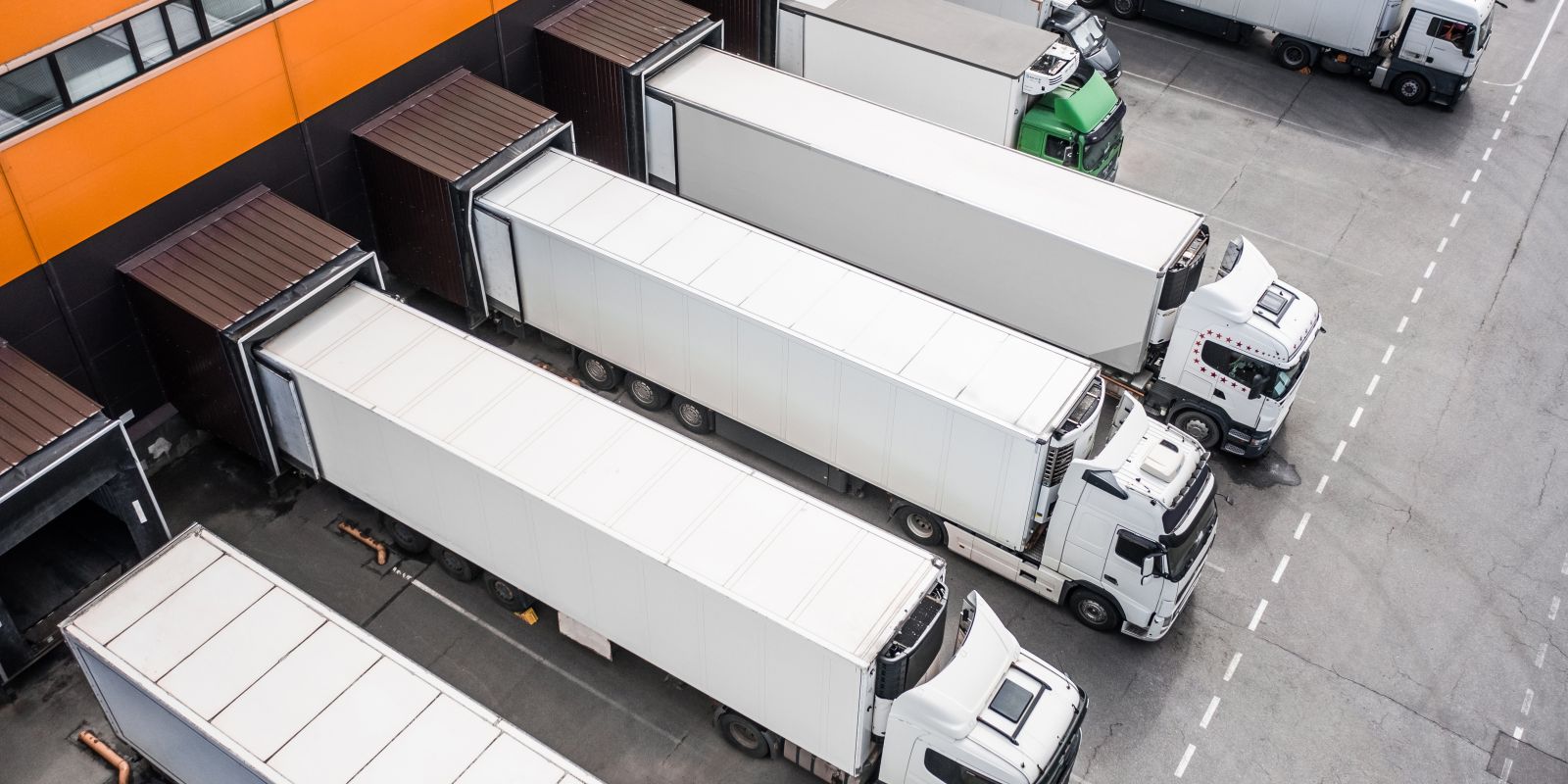
The UK Food Valley is the UK’s leading hub for food sector logistics with 30% of the nation's food supply moving through the region. The importance of logistics and cold storage continues to grow as the food chain reconfigures and the long-term growth in agrifood trade continues.
Greater Lincolnshire is home to a major food logistics cluster supporting the area’s agriculture and food manufacturing industries, providing agrifood businesses with fast, multimodal access to distribution hubs and consumer markets in the UK and worldwide.
The logistics cluster has specialisms spanning ports, cool chain storage and distribution, freight forwarding, shipping, and warehouse automation playing an unrivalled part in the food logistics sector in the UK.
South Lincolnshire has the largest food logistics cluster in the UK with an estimated 30% of all UK food travelling through here. This results in over 1 million vehicle movements a year and over 1,500 finished truckloads of food leaving south Lincolnshire every day.
This clustering of food logistics activity around Spalding and Boston in South Lincolnshire means these areas are the second and tenth most concentrated districts for logistics in the country.
The A1 corridor attracts major investment in the cool chain, including the UK’s largest cold store near Grantham at Easton, owned by Magnavale, who also have investments in Scunthorpe.
Major recent investments in cold storage have included Easton II near Grantham and Constellation Cold stores in Grimsby, both completed in 2025, at a total cost of over £160m.
The South Bank of the Humber is a further major logistics cluster, built on the UK’s largest bulk port, which supports the second largest seafood processing cluster in the northern hemisphere in Grimsby, along with many other food chain businesses in sectors as diverse as poultry, pork, potatoes, soups, sauces and other foods.
Key capabilities
- A highly developed logistics cluster - Specialisations include ports services, cold chain storage and distribution, freight forwarding, shipping, and warehousing automation technologies.
- Extensive ports infrastructure and services - Grimsby and Immingham (the UK’s largest port by tonnage) offer specialised food logistics services, on-port warehousing (30,000 sq m), and frequent Ro-Ro and Container (Lo-Lo) services to European and global markets.
- The Port of Boston offers proximity to Spalding’s food logistics hub, warehousing (18,000 sq m), co-operative grain silos (50,000 tonnes) and feeder services to Rotterdam and Amsterdam
- Advanced cold chain capabilities - Large-scale temperature-controlled storage is available at logistics hubs including: Grimsby (230,000 tonnes capacity on-port or adjacent); Scunthorpe at Celsius Park; Grantham (140,000 pallet spaces); Spalding (29 Americold temperature-controlled stores) and Humberside Airport (200 sq m)
- Consented sites for food logistics - Premium sites consented for food logistics activities include three Food Enterprise Zones (FEZs) and St Modwen Park (Lincoln) with Freeport tax incentives for businesses investing in the Humber Freeport
- Logistics sector skills and education - Offering an available, specialised logistics workforce supported by sector focused education in the area’s colleges and universities, including a focus on cool chain technology including a dedicated team at the National Centre for Food Manufacturing office in Grimsby