CLUSTER SUPPLY CHAIN: Ports
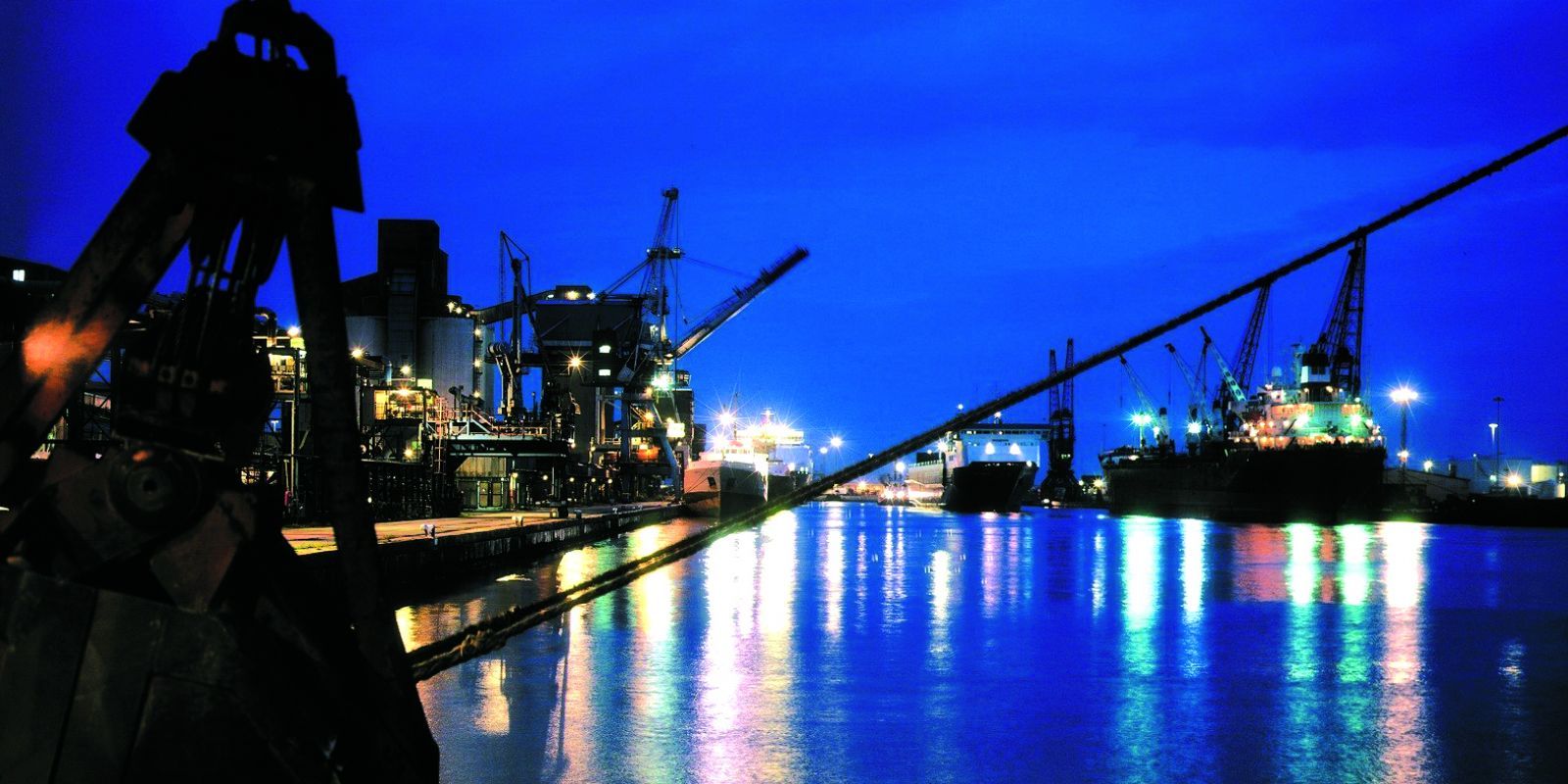
Our competitive edge in ports and connectivity serving nationally important industries has long supported the growth of UK-leading clusters including food manufacturing and distribution.
The central location of Greater Lincolnshire’s ports allows businesses to serve 75% of the UK population within a four hour drive time, and is a major UK gateway to the Midlands and Northern Powerhouse.
Greater Lincolnshire has 22,000 jobs dependent on road, rail, freight warehousing, and wholesaling businesses, including clusters on the Humber, in South Lincolnshire and on the A1 corridor.
The Humber ports with their deepwater quays is the largest bulk port in the UK with 40,000 ship movements per year and £75bn of trade per annum. The ports support a large network of industrial sites located on the Humber specifically because of port access.
The South Humber ports of Immingham, Grimsby, Killingholme and Stallingborough form a major integrated ports and logistics cluster in North and North East Lincolnshire. Benefiting from a deep-water location, Immingham has direct routes to Europe, North and South America, Africa, Australia, the Middle East and Far East.
The Humber Freeport offers incentives for businesses involved in trade at sites linked to the ports. Grimsby and Immingham operate the busiest rail freight terminal in the UK and the ports are also benefitting from investment in further rail freight and a new Immingham Eastern Ro-Ro Terminal (IERRT), which is a £200+ million investment by Associated British Ports and Stena Line in a new freight ferry terminal at the Port of Immingham.
The Humber ports are also at the forefront of the transition to low carbon energy from world-leading offshore wind farms. In combination with solar, AD, renewable hydrogen and bio-methane across Lincolnshire, this will enable a transition to low carbon food chains.
The Ports of Boston and Sutton Bridge in the South of Lincolnshire both handle bulk food shipments, including grain exports, and are important to the agricultural heartland they serve.
The UK Food Valley's is focusing on increasing the use of rail and sea freight, as well as cleaner fuels for road freight, to help deliver Net Zero supply chains.
- Grimsby and Immingham offer specialised food logistics services, investment in rail freight, port warehousing, and frequent Ro-Ro and container services to European and global markets.
- The ports of Boston and Sutton Bridge offer proximity to Spalding’s food logistics hub, with Boston also having a rail freight hub. Boston has 18,000 square metres of warehousing, 50,000 tonnes of grain silos and feeder services to Europe.