CONTINUOUS IMPROVEMENT TO COMMUNITY IMPACT
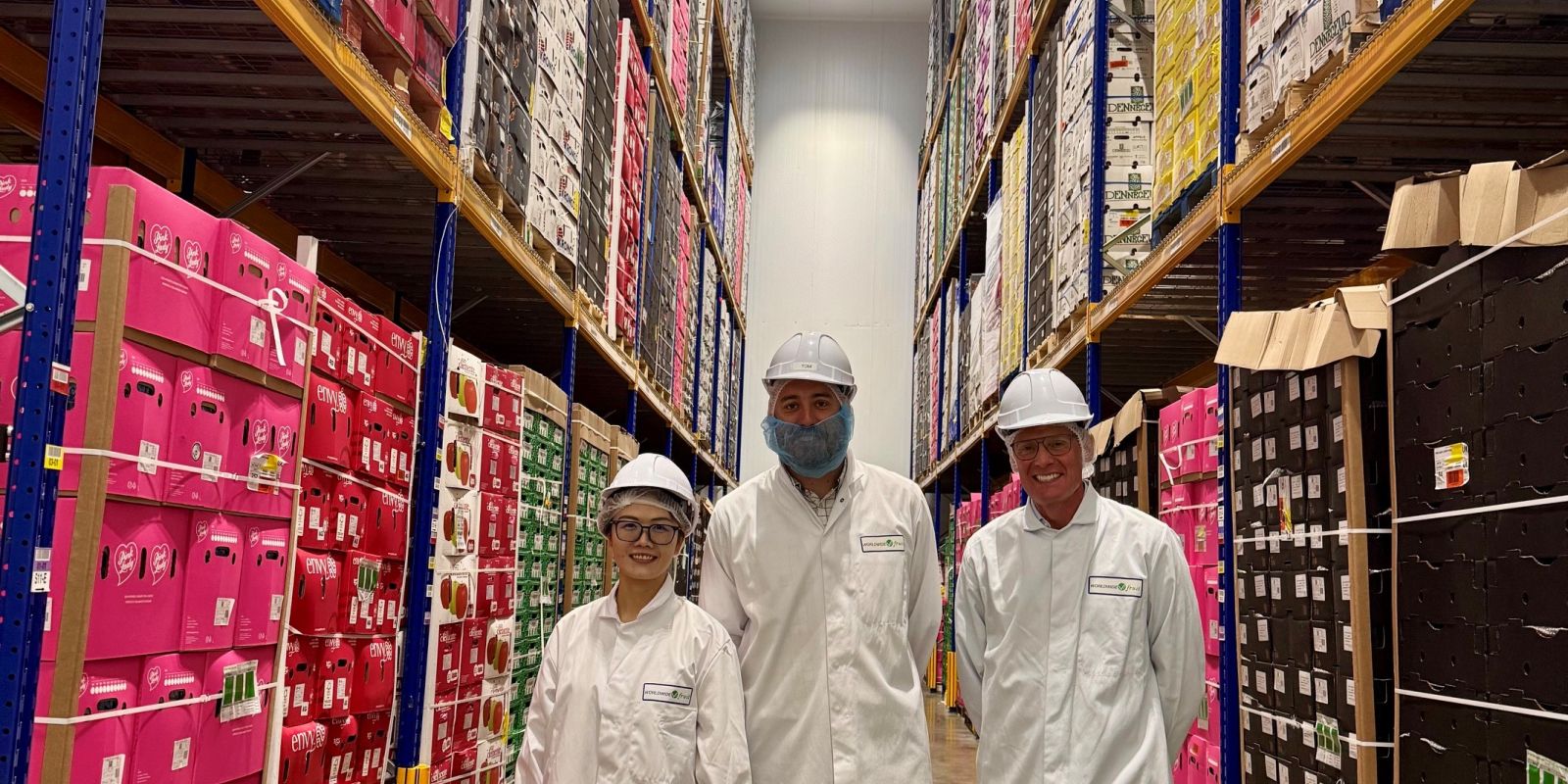
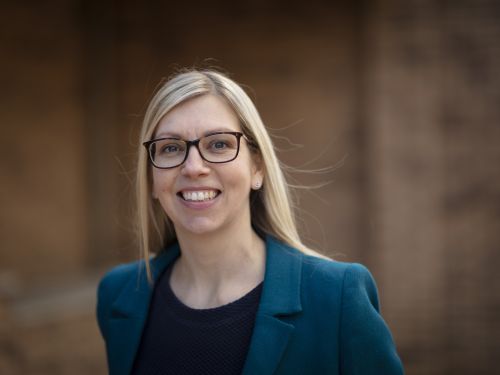
Fresh produce sits at the intersection of health, sustainability and global supply chains. In a recent conversation with the UK Food Valley, Steve Maxwell; CEO of Worldwide Fruit, shared insights into his career, the ethos behind Worldwide Fruit’s success, and the opportunities and challenges shaping the sector’s future.
Steve’s career journey began with an accountancy degree. Quickly realising that finance wasn’t the right fit, he slid into sales, starting with Smith’s Crisps and then Golden Wonder. His early years were rooted in branded food businesses, before a conscious shift into own-label and supply chain-focused roles.
“I wanted to be involved across the entire supply chain rather than just selling a finished product,” he explained. That decision proved pivotal, leading him to join a business that would later evolve into Worldwide Fruit. Steve has been part of the organisation since its early formation around 2000, progressing through roles in account management, UK production, and commercial leadership before becoming Chief Executive 12 years ago.
At the heart of Worldwide Fruit’s success is a clear and consistent philosophy. While the company’s product range; apples, pears, stone fruit and avocados - provides a strong foundation, Steve is clear that differentiation comes from how the business operates.
“We focus on why people choose to work with us,” he said. “Great products are only one part of that. Everything we do is grounded in our Enterprise Excellence Model: understanding our purpose, refining our processes, and ensuring our people are fully equipped to deliver results.”
That culture is built around continuous improvement. Rather than assuming processes are correct, the business actively seeks feedback from those closest to the work.
“If you don’t go to where the work happens and listen to the people doing it, you’ll often get it wrong,” Steve noted. “The most important insights come from the people involved day to day. We learned that we must be transparent in how we work, map it out, process the flow, and listen. And if you don't like the answer, the answer is still right”.
This openness to learning and willingness to challenge assumptions, underpins a culture where improvement is ongoing, collaborative and embedded across the organisation. “If you look at how we build our business up”, reflects Steve, “we need fantastic basics. Then we have to live by our values. And on top of that, understand how we can differentiate through investment and innovation to deliver growth.”
Innovation now plays a central role in Worldwide Fruit’s approach, both in incremental improvements and more transformative developments. One standout example is Softripe, the company’s own avocado ripening process. Traditionally, ripening has relied heavily on temperature and airflow, but Worldwide Fruit has taken a more sophisticated, technical, responsive approach.
“We’re effectively ‘listening’ to the fruit,” Steve explained. “By understanding its condition and ripening it in the right way, we can improve both taste and consistency—and extend shelf life.”
The result is a product that not only tastes better but lasts longer for consumers, offering both quality and convenience. It’s a clear example of how innovation in fresh produce doesn’t always require artificial modification, but rather a deeper understanding of the product itself.
The business is also laser-focused on working towards zero waste. “We know it is unachievable, but the mindset is key. We are continuously looking to ensure that we're having the most positive impacts”.
Reducing inefficiencies across the supply chain is a key priority. From farm to shelf, ensuring smooth movement of goods helps control costs and maintain competitiveness.
Steve talks in the context of waste as a direction of travel, with strands of zero waste already embedded in the business. “Often when people talk about waste”, says Steve, “they're only talking about food waste or factory waste. But for us, it means everything - we don't want to waste human capability, time, or opportunity either”.
Alongside innovation, the business applies the same mindset corporately. Every role is considered improvable, and investment in people is seen as critical to future success. Being an ‘employer of choice’ is a central ambition for Worldwide Fruit. This involves not only developing existing employees but also creating opportunities for new entrants to the sector.
A notable area of focus is the company’s work with SEND (Special Educational Needs and Disabilities) students and adults. Through partnerships with colleges and community organisations, Worldwide Fruit provides supported work placements, helping individuals build skills and confidence in a real working environment.
“It’s something we’re incredibly proud of,” Steve said. “Not only does it support individuals, but it brings out the best in our teams. People genuinely want to help others succeed.”
More broadly, the business is committed to promoting careers in fresh produce, particularly to younger audiences. By engaging with schools and colleges, and encouraging employees to act as ambassadors, Worldwide Fruit is helping to showcase the sector as dynamic, rewarding and full of opportunity.
“There’s a perception gap,” Steve explained. “But when young people hear about the travel, responsibility, and career progression available, it really resonates. We need to keep telling that story.”
The outlook for fresh produce is positive. The UK market continues to grow in both value and volume, driven by increasing consumer focus on health and wellbeing. Products such as avocados have seen particularly strong growth in recent years, but this growth brings with it important questions, particularly around supply.
Steve believes that the bigger question that we must lean into collectively as a country is where do we want that fresh produce to come from.
Supporting domestic growers to expand and improve productivity will be key to ensuring the UK captures a greater share of that growth.
“What are we going to do to assist our UK farmers to grow more, be more productive and supply a larger percentage of the UK's needs”? asks Steve. “The market will grow and demand will be met regardless. The question is whether that growth comes from UK production or increased imports.”
And so whilst opportunities are strong, the sector also faces challenges, particularly around skills, infrastructure and regional sustainability. For Worldwide Fruit, being located in Spalding, at the centre of South Lincolnshire’s established cluster of logistics providers, growers, and supporting businesses is a major asset. Maintaining and strengthening that ecosystem is critical.
“We need to ensure this remains a place where people want to live and work,” Steve emphasised. “That means investing in skills, infrastructure and the wider environment—not just the industry itself.”
Across every aspect of the conversation, a consistent theme emerges: continuous improvement. Whether it’s refining internal processes, investing in people, or developing innovative products, Worldwide Fruit operates with a mindset that there is always more to learn and a better way to work.
“It’s not about being perfect,” Steve said. “It’s about always asking how we can get better.”
Steve Maxwell was interviewed by Jess Foster at the UK Food Valley, funded and managed by Lincolnshire County Council.