STRENGTHENING LINCOLNSHIRE’S FRESH PRODUCE CLUSTER FOR FUTURE GROWTH
With deep roots in Lincolnshire and over 30 years of experience in the fresh produce sector, Paul Nicholls, Head of the Fresh Produce Network (FPN), offers a clear perspective on one of the region’s most important industries.
Having moved to Lincolnshire in 1990, Paul has spent his career working across the fresh produce supply chain. His experience spans both commercial and operational roles, from multinational organisations to smaller businesses, giving him a holistic understanding of how the sector operates.
“The next wave of successful businesses will be those that can truly integrate AgTech into their operations.”
Today his focus is how to support the industry at a broader level.
“I now have the opportunity to take a wider view,” he explains. “It’s about using the experience I’ve built up to support businesses operating in a sector I understand and believe is vitally important.”
Paul notes how this sector has always been characterised by resilience. This is an essential trait given the pressures it continually faces.
The Fresh Produce Network, established in 2018 and operating under the Lincolnshire Chamber of Commerce, brings together members from across Greater Lincolnshire and Rutland’s fresh produce supply chain.
“The network exists to connect, support and grow businesses,” says Paul. “We provide a platform for collaboration, knowledge sharing and collective advocacy.”
FPN represents a wide cross-section of the sector including growers and packers; logistics providers and supporting services. This allows it to address shared challenges and opportunities with a unified voice.
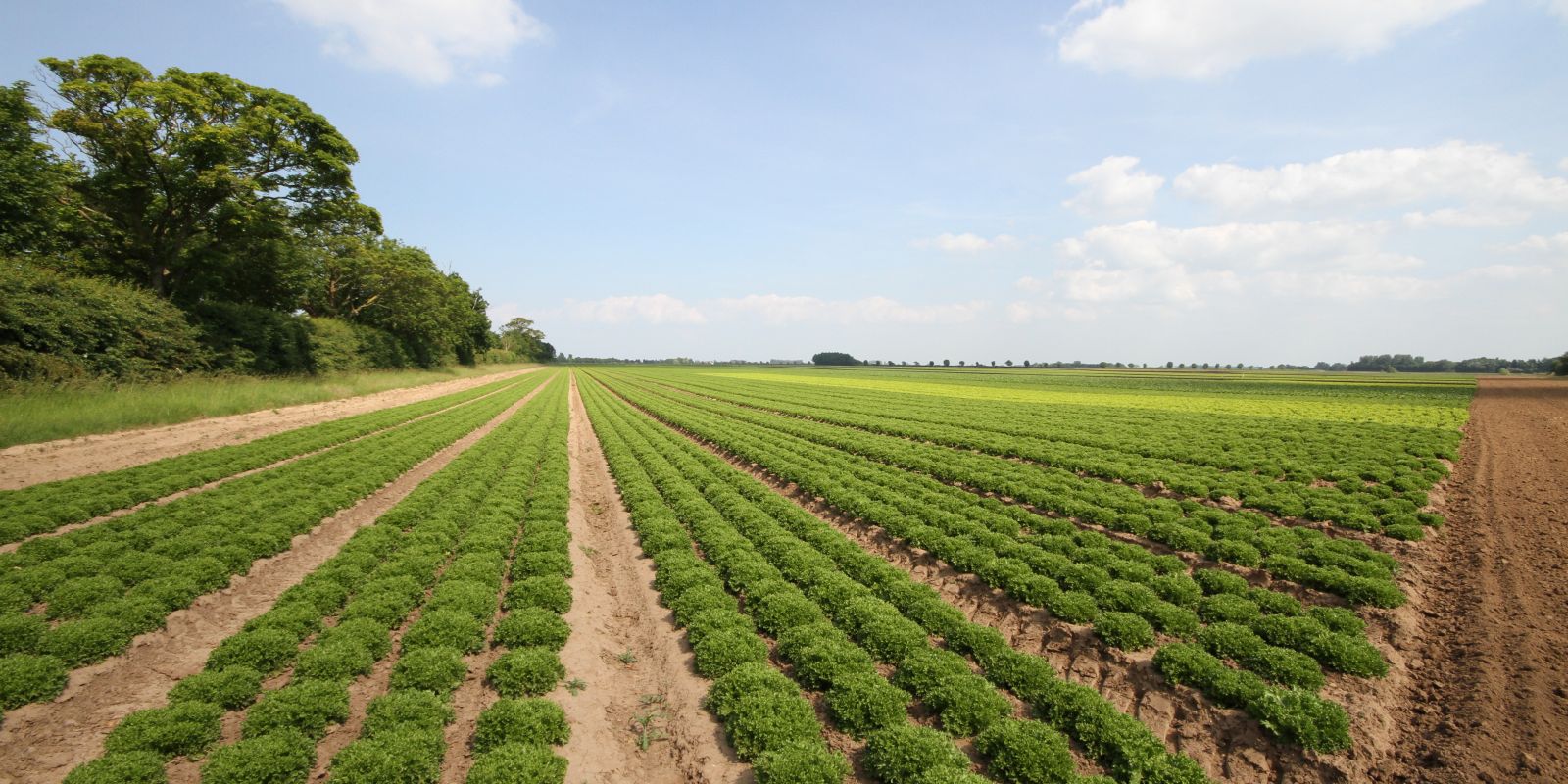
Lincolnshire’s prominence in UK food production is well established, with 30% of the nation’s vegetables and salads grown in the county. This success is underpinned by fertile soils, favourable growing conditions and decades of sector development. However, it is the strength of the wider ecosystem that truly defines the region.
“What you have in South Lincolnshire is a highly effective cluster,” Paul explains. “Production historically attracted supporting industries including logistics, storage, labour and over time that has built a network of skills, infrastructure and connections that is difficult to replicate elsewhere.”
This clustering effect continues to give Lincolnshire a competitive advantage, supporting efficient field to fork supply chains.
Tight margins, high compliance demands and a focus on efficiency mean that the fundamentals of the sector remain familiar however, the pace of change is accelerating.
“The intensity of the challenges we face now is greater than ever,” Paul says. “Climate volatility, geopolitical pressures, labour availability and energy costs are all affecting how businesses operate.”
At the same time, innovation is increasingly central to future success. Advances in automation, robotics, big data and artificial intelligence are reshaping the way fresh produce is grown, processed and distributed.
One of the most pressing priorities for the sector is ensuring it has the skills needed to adapt to this changing landscape.
“There’s a real opportunity to attract a new generation into fresh produce,” Paul notes. “But it’s important that people understand the diversity of careers available. These are not just in agriculture, but in technology, data and engineering.”
He highlights that future growth will depend on businesses that can combine traditional agricultural expertise with emerging technologies.
“The next wave of successful businesses will be those that can truly integrate AgTech into their operations.”
Despite the challenges, Paul is confident about the sector’s long-term prospects. Demand for fresh produce remains strong, driven by increasing consumer awareness of health and nutrition. At the same time, food security has risen up the national agenda, creating a renewed focus on domestic production.
“There is a real opportunity for growth,” he says. “But success will come down to consistency which means delivering products that are reliably available, high quality and affordable.”
To unlock that growth, Paul highlights the importance of addressing structural challenges, particularly those affecting competitiveness. The sector faces rising costs in areas such as labour, energy and compliance, whilst also competing with international producers who may operate under different cost and regulatory conditions.
“What businesses need is a level playing field,” he explains. “To remain competitive, it’s essential that policymakers understand the pressures facing UK producers.”
Engagement with government, both locally and nationally, is therefore a key priority for the Fresh Produce Network. This includes advocating for better access to funding, improvements in infrastructure and policies that support workforce needs.
Looking internationally, Paul points to examples such as the Netherlands, where strong collaboration between businesses has helped drive innovation and efficiency.
“There is more openness to cooperation, even between competitors,” he says. “That’s something we can learn from in the UK.”
Organisations like FPN play a role in fostering that collaborative culture locally, helping businesses work together to address shared challenges.
Ultimately, the success of the fresh produce sector is closely linked to wider national priorities, including economic growth, food security and public health.
“This is a sector that delivers real value,” Paul concludes. “But to continue doing so, it needs the right support and environment to thrive.”
Through initiatives such as the Fresh Produce Network, Lincolnshire is well positioned to build on its strengths, ensuring its fresh produce cluster remains resilient, competitive and ready for the future.
Paul was interviewed by Jess Foster at the UK Food Valley, managed and funded by Lincolnshire County Council.