SEAFOOD’S BRIGHT FUTURE - IN CONVERSATION WITH COLIN FAULKNER, CEO OF SEAFISH
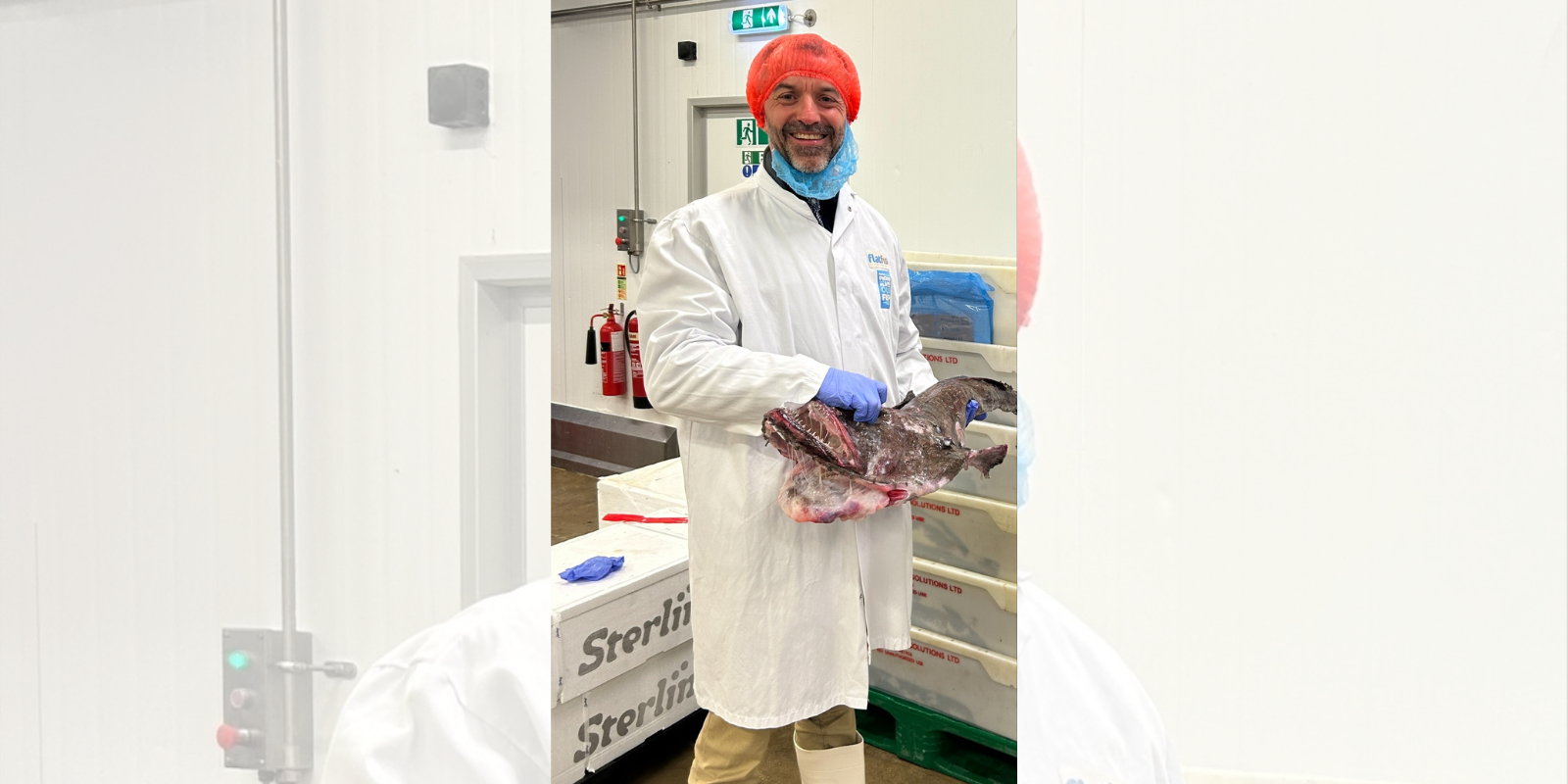
Colin Faulkner has joined Seafish as its Chief Executive Officer, succeeding Marcus Coleman after his decade of leadership. Colin brings with him a wealth of experience at the heart of UK fisheries, environmental policy, and international trade.
Since 2018, Colin has served as Head of International Fisheries and Seafood Trade Policy at Defra, where he led the UK’s work on global seafood trade, regulatory frameworks and international negotiations.
Before joining Defra, Colin was Director of Government Affairs for the UK Green Investment Bank. His earlier career includes a range of constitutional, environmental, and fisheries policy roles across both the UK and Scottish Governments, giving him a uniquely comprehensive perspective on national and devolved sector priorities.
Colin expressed enthusiasm about the opportunity ahead, calling his appointment “the start of an exciting new chapter” for both himself and the organisation, and emphasising his commitment to working with all parts of the UK seafood industry to help take Seafish “to new heights.”
As he steps into his new role, Colin brings a clear vision, proven leadership, and a deep understanding of the challenges and opportunities facing the UK seafood industry. His blend of policy, sustainability, and industry expertise will play a pivotal role in shaping Seafish’s strategic direction in the years ahead.
He recently met with the UKFV team to discuss his aspirations for Seafish.
When you speak with Colin Faulkner — Seafish’s new CEO and self-confessed monkfish enthusiast — one thing becomes clear very quickly: he sees the UK seafood sector not as an industry stuck in the past, but as one bursting with innovation, pride and possibility.‑confessed monkfish enthusiast — one thing becomes clear very quickly: he sees the UK seafood sector not as an industry stuck in the past, but as one bursting with innovation, pride and possibility.
Colin is from a farming background, having grown up on a mixed farm of dairy, arable and pigs in County Tyrone. He credits his upbringing with shaping his respect for food producers. “Food production is a deeply honourable activity,” he reflects, “and perhaps we don’t recognise that as often as we should — whether it’s seafood, dairy, arable etc.”
It’s this sense of respect, combined with a fascination for the international nature of fisheries work, that first pulled him into the sector back in 2004. A government role exposed him to fisheries policy, and, as he puts it, he was “bitten by the bug.”
Seafish’s work is organised around three core business areas: trade facilitation; a safe and skilled workforce and ensuring the sector is future-ready
Colin is refreshingly direct about his first-year priorities as CEO, Seafish must sharpen its value proposition and strengthen its relationship with the sector.
“We need to make sure we help the seafood sector understand the value we bring’. Our role is to help make businesses even better — and that starts with clear, honest engagement.”
Colin is also quick to highlight the significance of Grimsby within the seafood picture.
“Lincolnshire is hugely important to the seafood sector. It’s the powerhouse of the processing sector in England.”
Over the coming year, Seafish will focus on supporting businesses with skills, regulatory changes, and technology adoption. Collaboration with local businesses, the university sector and the region’s leaders will be key.
If there’s one perception Colin wants to challenge, it’s that seafood is “old-fashioned.” Automation, digital traceability, data management and mechanisation are already transforming the sector, he says, with several businesses “well ahead of the rest of us”.
For Colin, building resilience is about helping businesses reduce exposure to shocks — economic, political, environmental — and adapt when they occur.
Given the UK’s taste for cod, haddock, salmon, tuna and prawns, improving trading relationships is key.
With upcoming negotiations between the UK and EU, as well as ongoing reliance on Norway and Iceland for imports, Seafish will play a role in making sure that governments have the best information in front of them on which to base their decisions.
So… what should Britain eat more of?
Mackerel. Without hesitation.
“We should be eating a lot more mackerel,” he insists. “It’s incredibly good for our health, we have a clean, well-managed UK fishery, and we should be proud of it.”
He also has a soft spot for monkfish.
Every day certainly is a school day. Asked what he’d say to someone considering a career in seafood, Colin doesn’t miss a beat.
“It’s not one sector — it’s many. There are huge varieties of roles across catching, processing, aquaculture, and beyond. It’s innovative, it’s international, and the career paths are fantastic.”
He emphasises Seafish’s commitment to supporting training, apprenticeships, and skills retention, working in partnership with government, universities and employers.
One theme Colin returns to again and again is the balance between cultural heritage and forward momentum. Seafood is undeniably part of UK identity — especially in coastal communities like Grimsby, Cornwall and Scotland. But he’s clear: heritage alone isn’t the story.
“It’s a living, exciting, modern sector full of incredibly passionate people. We should be proud of the innovation, the technology and the opportunities that exist.”
And the monkfish?