INNOVATION, WATER AND THE NEXT ERA OF FRESH PRODUCE
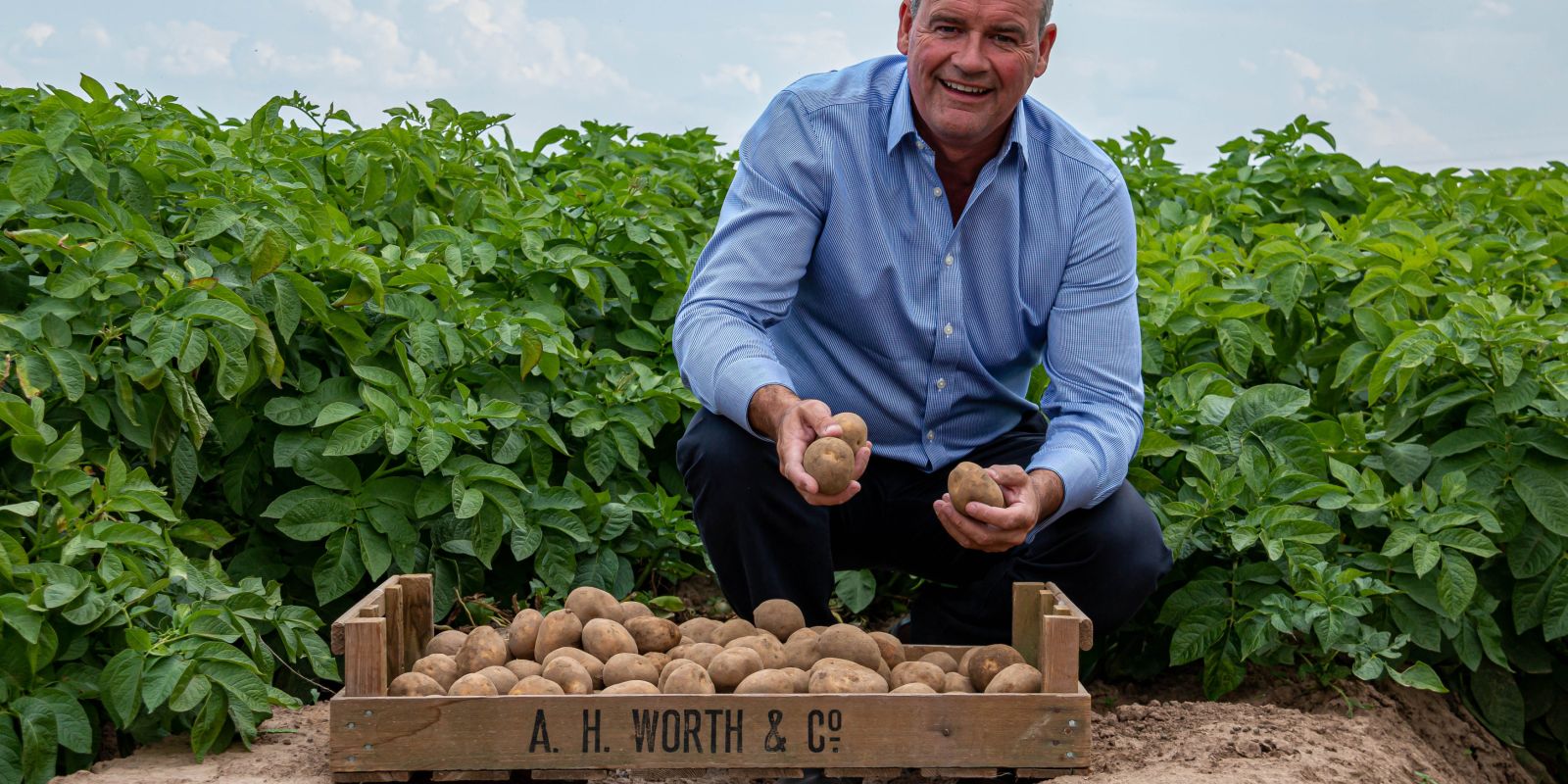
When you speak to Duncan Worth, one thing becomes immediately clear: this is an industry that never stands still. As a fourth-generation farmer and director at AH Worth & Company, Duncan has spent decades navigating the shifting landscape of fresh produce and he knows that the pace of change isn’t slowing down any time soon. In fact, the next decade could be the most transformative yet. And the growth potential is huge, but not guaranteed.
“For the growth of fresh produce there are huge opportunities,” he says. “But it’s amazing how much fresh produce is imported when we can do so much more here. We want government to be the enablers to this and not gatekeepers.”
From life lessons to leading a sector, Duncan’s route into the industry wasn’t a straight line but it was always rooted in agriculture.
After studying Agricultural Economics, Duncan gained hands-on experience through the Management Development Services (MDS) programme, completing placements across multiple fresh produce businesses.
Providing a strong base, he describes the vertical learning curve of working across operations, sales and commercial teams before becoming a Tesco buyer helping to grow the early organics category, which proved pivotal. “From small beginnings we managed to increase the turnover by well over five times in a two year period.” The revelation of a sector that was shaped by change and driven by consumers became clear.
Looking ahead, Duncan is certain: the fresh produce industry must remain agile, and above all, consumer-led. “Health and nutrition are absolutely key,” he says.
But meeting those expectations isn’t simple. Climate pressures, regulatory changes and shifting diets all sit alongside that central consumer demand.
In recent years alone, growers have faced extreme and contradictory weather patterns. In six months, the business has experienced the wettest period on record as well as the hottest May day only last month.
This volatility is forcing the industry to rethink how it grows our food, particularly when it comes to water, infrastructure, and resilience.
So why does innovation matter more than just introducing new products?
One area where Duncan is particularly optimistic is product innovation and the role it plays in revitalising the category. “Innovation brings growth,” he explains. “One, it stands out on the shelf. And two, it’s got incredible health benefits.”
With antioxidants and strong visual appeal, these products create theatre and storytelling in-store - something Duncan believes is essential to engaging modern consumers.
“If you’re just selling standard products it becomes a commodity. That differentiation actually starts to add value and critically for us - adds profit.”
Duncan is also keen to turn his attention to the water challenge.
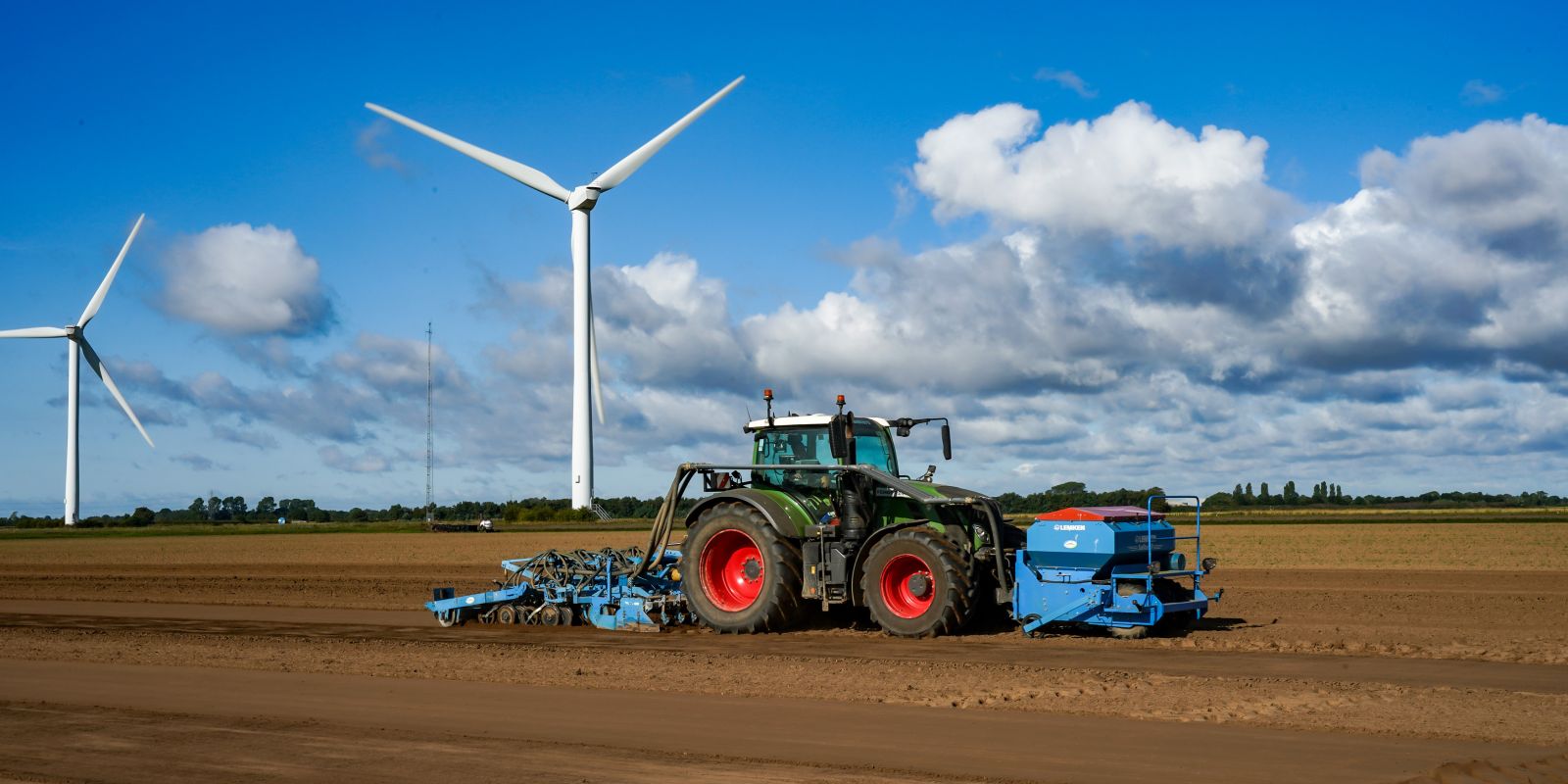
Based in the South Lincolnshire Fens, Duncan operates in an area with centuries of water management. Yet even here, the rules are changing fast. “We’ve got some phenomenal moisture retentive land, but that is no longer enough.”
Reservoirs are a key part of the answer but they require significant capital and long-term confidence. “Building a reservoir represents a lot of money”, he states. “Long paybacks mean long-term loans are needed. We also need the Environment Agency to take a similarly long-term approach with abstraction licenses whilst of course recognising environmental constraints. Positive interventions from government would be strongly welcomed.”
He is under no doubt that the growth potential is huge. But it’s not guaranteed. The real constraints: cost, labour, and pressure on margins. “Increasing the minimum wage annually is a huge challenge for us,” he states. “The price pressure that we get is enormous and margins aren’t where they need to be.”
Looking ahead now, he is keen to be part of the solution. “We produce first-class healthy and nutritious products. But what we absolutely want is for government to support this change”. With innovation, investors, and government working together as enablers, he believes we really can continue to have an extremely successful industry.
This is about more than farming. It is about UK food security, national resilience, healthier diets for consumers and economic growth in rural communities. The opportunity is clear - but realising it depends on creating the conditions for growers to invest with confidence.’
A final thought.
If Duncan were a vegetable, he’d select spinach “fast growing, healthy, strong, and vibrant” - a fitting description not just of himself, but of the industry with the potential to thrive, given the right conditions.
Duncan was interviewed by Jess Foster of the UK Food Valley, managed and funded by Lincolnshire County Council.